
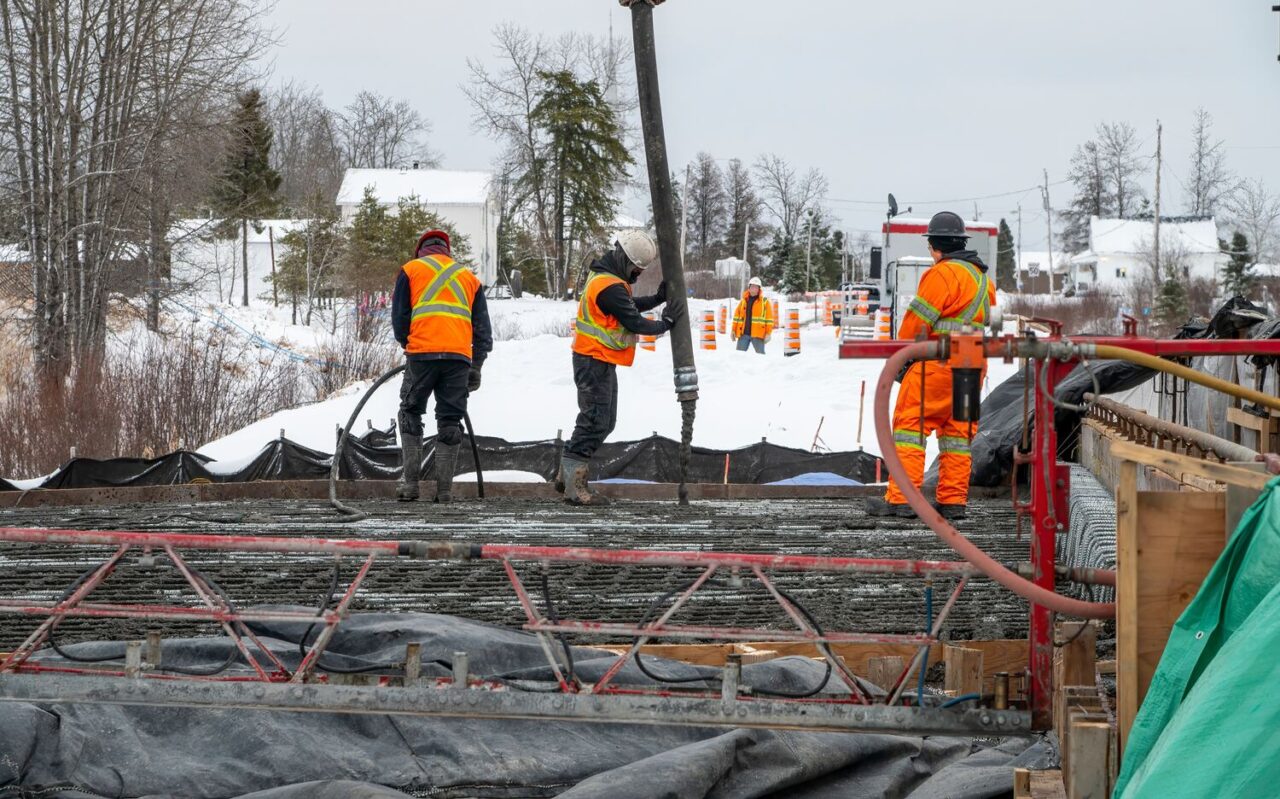
Understanding when it is too cold to pour concrete is essential for Minnesota homeowners planning new concrete driveways, patios, sidewalks, or pool decks during fall and winter months. The general industry standard states that concrete should not be poured when ambient temperatures fall below 40°F and are expected to stay below 50°F for more than three consecutive days. However, this threshold isn’t absolute, and experienced contractors can successfully pour concrete in colder conditions with proper precautions.
Cold weather fundamentally changes how concrete cures. Unlike many building materials that simply dry, concrete undergoes a chemical reaction called hydration where cement particles bond with water to create strength. This process requires adequate temperatures to proceed properly. When temperatures drop too low, hydration slows dramatically or stops entirely, potentially resulting in concrete that never reaches its intended strength. At freezing temperatures (32°F or below), the water in fresh concrete can freeze and expand, creating internal pressures that permanently damage the concrete’s structure, leading to surface scaling, reduced durability, and decreased load-bearing capacity.
The critical period for protecting freshly poured concrete extends well beyond the first 24 hours. While the initial set typically occurs within the first day, concrete continues gaining strength for weeks and months afterward. The first 3 to 7 days are particularly crucial. During this time, concrete should be protected from freezing temperatures and maintained at minimum temperatures of 50°F for standard mixes or 40°F when using cold weather additives and techniques.
Several factors that influence pouring concrete in cold weather:
- Ambient air temperature at the time of placement and forecasted temperatures for the following 7 days
- Ground temperature, which is often colder than air temperature in late fall and winter
- Wind conditions, as wind chill can accelerate heat loss from fresh concrete
- Concrete mix temperature at the time of delivery
- Size and thickness of the concrete placement, with larger pours retaining heat better than thin sections
- Whether the concrete will be enclosed or exposed to the elements during curing
Modern concrete technology has expanded the window for cold weather pours. Accelerating admixtures can speed up the hydration process, allowing concrete to gain strength faster and become less vulnerable to freeze damage. Heated enclosures, insulated blankets, and ground heating systems can maintain appropriate temperatures during critical curing periods. Some contractors use hot water or heated aggregates in the mix to give concrete a temperature head start.
For Minnesota homeowners, this means concrete projects aren’t necessarily off the table once October arrives. However, cold weather pours require additional planning, materials, and labor, which typically increase project costs by 10 to 30 percent compared to summer installations. The expertise of your contractor becomes even more critical in cold conditions, as improper techniques can result in permanent concrete failure that requires complete replacement.
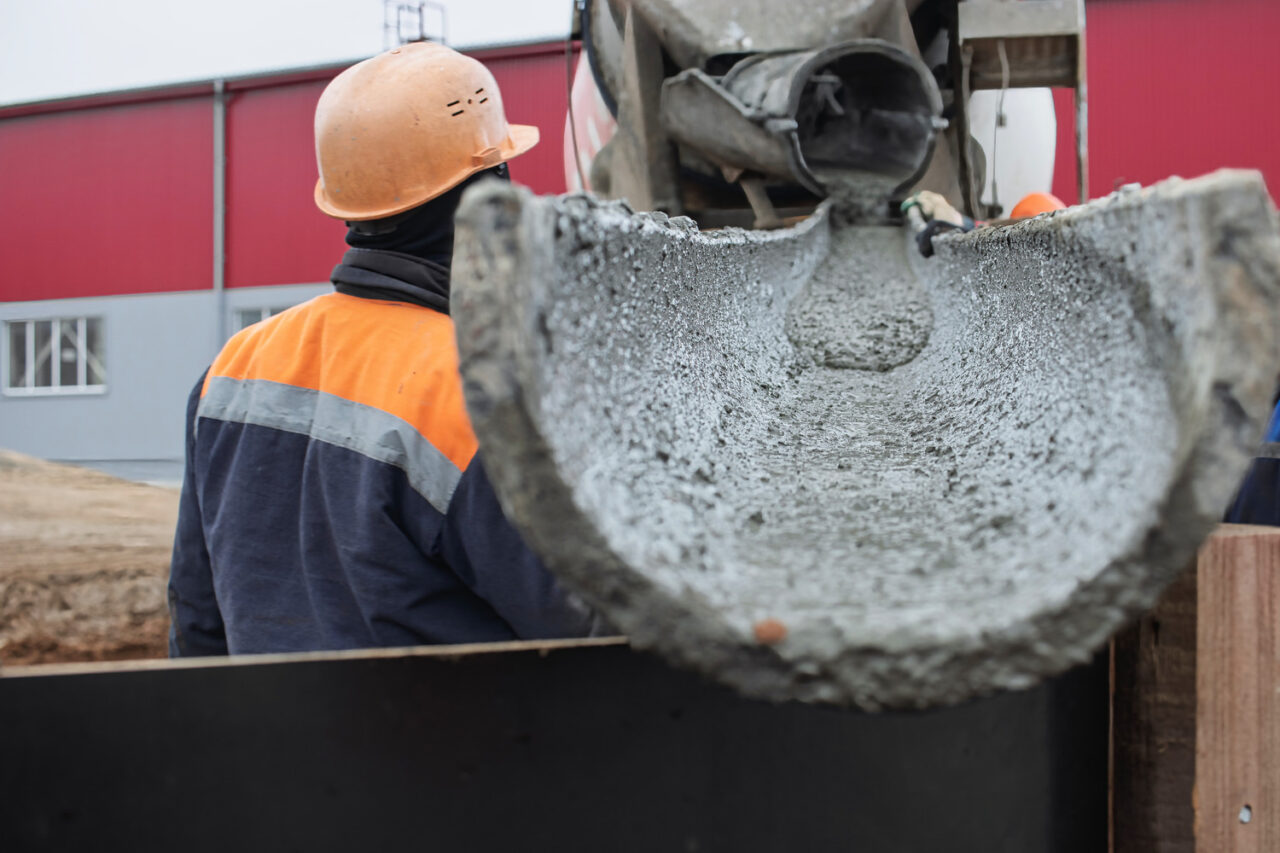
When is it Too Cold to Pour Concrete?
The American Concrete Institute (ACI) defines cold weather concreting as periods when the air temperature falls below 40°F for more than three consecutive days. This 40°F threshold represents the point where concrete’s curing process begins to slow significantly, requiring special considerations and protective measures.
However, the answer to “when is it too cold to pour concrete” isn’t a specific number. It depends on multiple factors that experienced contractors evaluate before every winter pour. The critical consideration is whether concrete can be protected and maintained at adequate temperatures long enough to achieve sufficient strength to resist freeze damage, typically reaching at least 500 psi compressive strength.
In Minnesota’s climate, this means concrete work can potentially continue into November and even December in some years, particularly for projects where contractors can implement proper cold weather protocols. Conversely, an early cold snap in September or October might make conditions unsuitable for standard concrete placement.
The ground temperature is often overlooked but equally important as air temperature. In late fall, the ground can be significantly colder than the air, rapidly drawing heat from freshly placed concrete from below. Ground temperatures below 32°F can freeze the bottom of a concrete slab even when air temperatures are above 40°F. Professional contractors measure ground temperature before proceeding with cold weather pours and may use insulation or ground heating to address frozen or near-frozen subgrades.
How Cold Weather Affects Concrete Pouring and Curing
Cold temperatures impact every stage of concrete work, from mixing and transportation to placement, finishing, and curing. Understanding these effects helps homeowners appreciate why winter concrete projects require additional expertise and investment.
The Hydration Process
Concrete strength development relies on a chemical reaction between cement and water called hydration. This exothermic reaction generates heat and forms calcium silicate hydrate crystals that bind the aggregate particles together. Temperature directly controls the rate of this reaction. At 70°F, concrete proceeds through hydration at an optimal pace. At 50°F, the reaction rate drops by approximately 50 percent. At 40°F, it slows to roughly one-quarter of the normal rate. Near freezing, hydration virtually stops.
This slowdown extends the time required for concrete to reach safe strength levels. What might take 24 hours in summer could require 72 hours or longer in cold weather. During this extended vulnerable period, the concrete remains susceptible to freeze damage.
Freeze Damage Mechanisms
The most serious cold weather threat occurs when fresh concrete freezes before reaching adequate strength. Water expands approximately 9 percent when it freezes. In fresh concrete with high water content and minimal strength, this expansion creates internal pressures that disrupt the cement paste structure and break the developing bonds between cement and aggregate.
Concrete that freezes early in its life may appear normal initially but will exhibit significant problems over time. Surface scaling, where the top layer flakes away, is common. The concrete may have permanently reduced strength, sometimes losing 50 percent or more of its potential capacity. Durability suffers dramatically, with increased permeability allowing water and de-icing chemicals to penetrate and cause further deterioration.
Even a single freeze cycle in the first 24 hours can cause irreversible damage. This is why weather forecasting is critical for cold weather concrete work, and why responsible contractors may postpone pours when unexpected temperature drops threaten.
Setting and Finishing Challenges
Cold temperatures don’t just affect curing; they also complicate the placement and finishing process. Concrete sets more slowly in cold weather, which can actually benefit finishers by providing additional working time. However, excessively slow setting creates problems. The finishing window becomes unpredictable, and concrete may bleed excessively, bringing water to the surface that can weaken the top layer if trapped during finishing.
Cold concrete is also more difficult to work with physically. It’s stiffer and less workable, making it harder to place and consolidate properly. Air entrainment, which is critical for freeze-thaw resistance in Minnesota’s climate, becomes more difficult to control in cold conditions.
Long-Term Strength Development
While proper cold weather precautions can protect concrete from immediate freeze damage, cold curing temperatures affect long-term strength development. Concrete cured at 40°F will eventually reach full strength, but it takes significantly longer than concrete cured at 70°F. The 28-day strength of cold-cured concrete may be substantially lower than the same mix cured at normal temperatures, though it will continue gaining strength for months afterward.
This delayed strength gain has practical implications for residential projects. A driveway poured in November shouldn’t receive full vehicle traffic as quickly as one poured in July. Load restrictions and extended protection periods are necessary to ensure long-term performance.
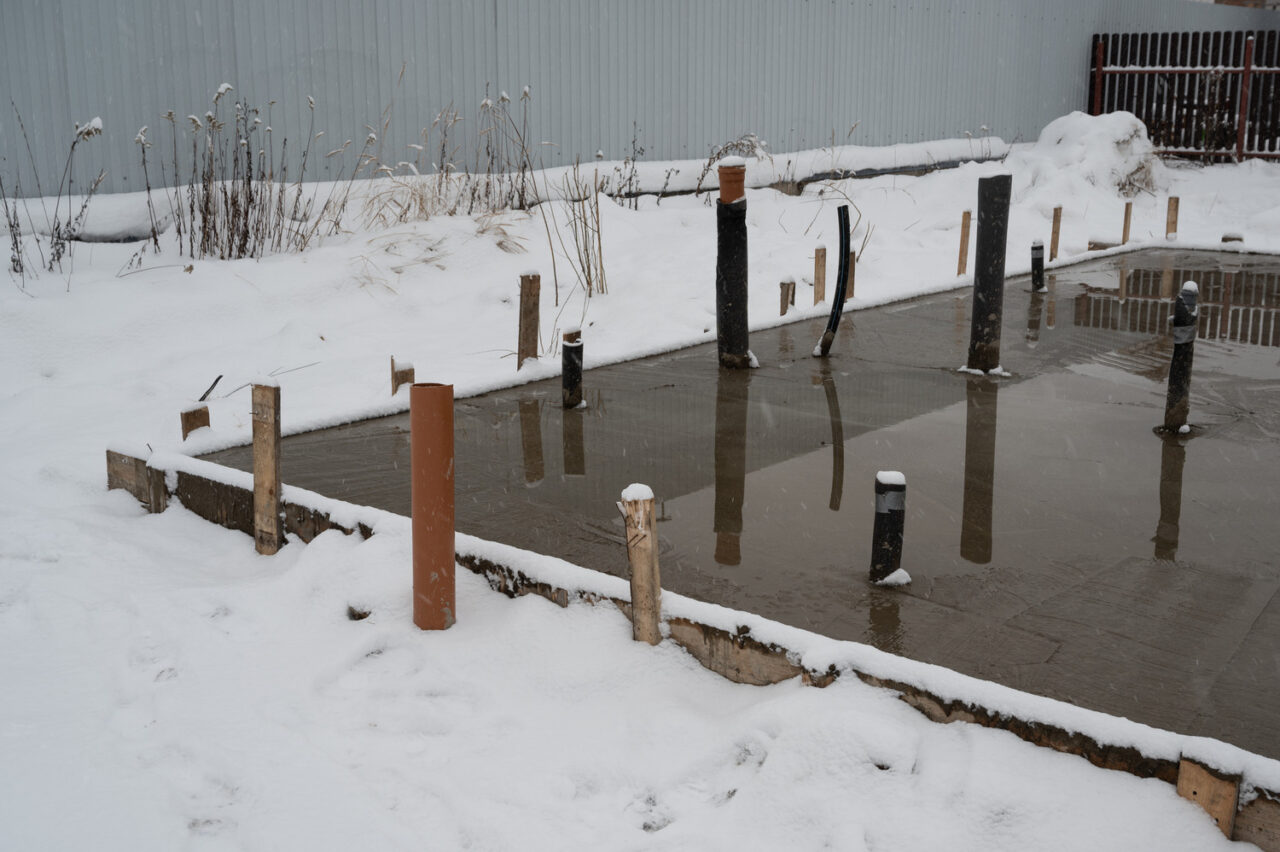
Extending the Cold Weather Concrete Window
Modern materials and techniques allow skilled contractors to successfully place concrete well below the traditional 40°F threshold. These methods add cost and complexity but can make winter projects feasible when necessary.
Accelerating Admixtures
Chemical accelerators speed up the hydration reaction, allowing concrete to gain early strength more quickly in cold conditions. Calcium chloride is a traditional accelerator, though it’s avoided in applications with embedded metals due to corrosion concerns. Non-chloride accelerators are preferred for residential work and can reduce initial setting time by 30 to 70 percent depending on dosage.
Accelerators don’t eliminate the need for temperature protection, but they reduce the critical protection period by helping concrete reach freeze-resistant strength faster. They’re particularly valuable for thin sections like sidewalks that lose heat quickly.
Heated Concrete Mixes
Concrete can be batched with hot water or heated aggregates to arrive at the job site at elevated temperatures, typically 60 to 80°F. This temperature head start gives the concrete additional time to gain strength before ambient conditions cool it down.
However, concrete that’s too hot at placement can also cause problems, including rapid slump loss, difficulty finishing, and potential cracking. Professional batch plant operators carefully balance mix temperatures to provide benefits without creating new issues.
Insulated Blankets and Enclosures
Once concrete is placed, insulated blankets can be laid over the surface to trap the heat generated by hydration and slow heat loss to the environment. Modern insulated blankets are highly effective, maintaining concrete temperatures 20 to 40°F above ambient conditions.
For larger projects or extremely cold conditions, heated enclosures create a controlled environment around the fresh concrete. These temporary structures use heaters to maintain air temperatures of 50°F or higher, ensuring proper curing regardless of outside conditions. Enclosures represent a significant additional expense but enable concrete work even in winter’s coldest stretches.
Ground Preparation
Thawing and heating frozen ground before concrete placement is essential for cold weather success. Contractors may use ground heaters, heated water, or insulating blankets on the subgrade for days before the pour to ensure the ground won’t rapidly cool the concrete from below.
Some contractors also use insulation beneath the concrete, particularly for slabs on grade, to reduce heat loss into cold ground. This technique is especially valuable for projects poured late in the season when ground temperatures are well below freezing.
Mix Design Modifications
Beyond accelerators, other mix adjustments support cold weather concrete. Lower water-cement ratios reduce the amount of freezable water in the mix, though this must be balanced against workability needs. Higher cement contents increase the heat generated by hydration, helping concrete maintain temperature. Air entrainment is critical for freeze-thaw resistance in Minnesota concrete and becomes even more important when concrete may face freeze conditions during curing.
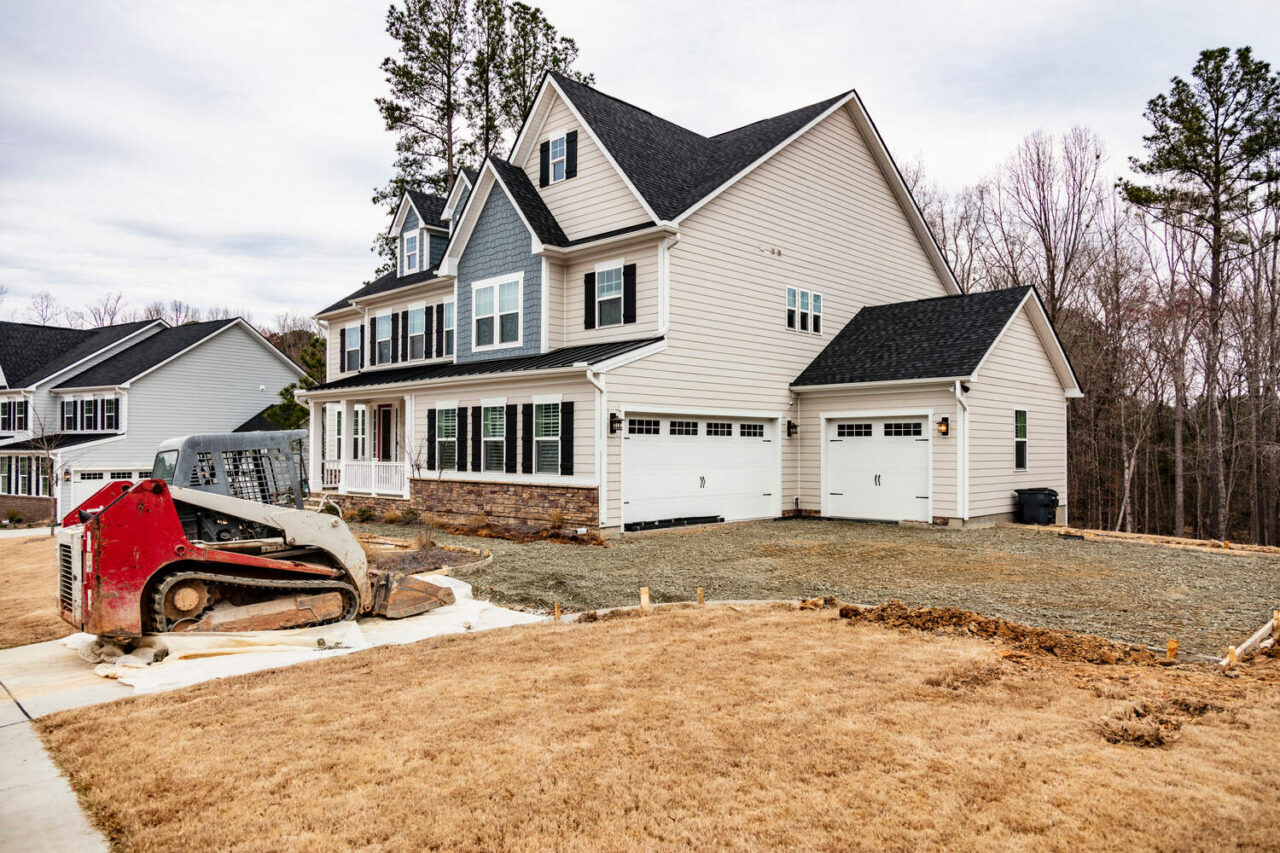
What to Do When Temperatures Unexpectedly Drop During Curing
Even with careful planning, Minnesota weather can surprise contractors and homeowners with unexpected cold snaps. If temperatures drop below safe levels during your concrete’s critical curing period, immediate action is necessary to prevent permanent damage.
First 24 Hours
The first day after placement is the most critical. If freezing temperatures threaten during this period, the concrete must be protected immediately. Contact your contractor right away if you notice a weather change. They should have emergency insulation materials available and can quickly cover the concrete with insulated blankets. If blankets aren’t sufficient, portable heaters or heated enclosures may be necessary.
Do not attempt to remedy the situation yourself with makeshift coverings. Materials like plastic sheeting without insulation can trap moisture and cause surface problems. Non-breathable coverings can also create rapid temperature changes that cause thermal cracking.
Days 2 Through 7
After the initial set, concrete is less vulnerable but still benefits from temperature protection, particularly during the first week. If unexpected cold weather arrives during this period, insulated blankets should still be applied if temperatures will drop below 40°F. The concrete has more strength at this stage, so the risk is lower, but maintaining adequate curing temperatures ensures the concrete reaches its full strength potential.
When Damage Occurs
If concrete does freeze during the critical early period, damage assessment is necessary. Surface scaling may be immediately visible, appearing as a rough or flaking surface. Strength loss isn’t immediately apparent but can be detected through testing after the concrete matures. In severe cases, the concrete may need to be removed and replaced.
This is one reason why choosing an experienced, reputable contractor is crucial for cold weather work. Established contractors stand behind their work and will address freeze damage appropriately, whereas less reputable operators may disappear after collecting payment.
Important Considerations for Winter Concrete Projects
There are many important factors to consider before starting a winter concrete project. While most homeowners planning winter projects are on a tighter schedule, it’s important to weigh the pros and cons to determine if it is worth it.
Cost Implications
Cold weather concrete pours cost more than summer installations. Additional materials (accelerators, extra cement), labor (longer finishing times, extended protection periods), equipment (heaters, enclosures, insulated blankets), and energy (fuel for heaters) all add to project expenses. Homeowners should expect winter projects to cost 10 to 30 percent more than identical summer work.
However, scheduling flexibility can sometimes offset these costs. Contractors often have reduced schedules in late fall and early winter and may offer competitive pricing to maintain steady work. Discuss timing and cost options with your contractor to find the best balance.
Scheduling Uncertainty
Weather-dependent work often faces scheduling challenges in Minnesota. A pour scheduled for November might be postponed multiple times waiting for suitable conditions. Building buffer time into your project timeline prevents frustration and allows contractors to wait for appropriate weather windows rather than rushing into marginal conditions.
Spring Considerations
Some homeowners assume they should wait until spring to pour concrete. However, early spring presents its own challenges. Frozen ground takes weeks or months to completely thaw, and spring’s temperature fluctuations can create difficult curing conditions. A November pour during a more stable cold period may actually be more predictable than an April pour during the freeze-thaw season.
The ideal timing depends on your specific project requirements, schedule, and budget. Discuss these trade-offs with your concrete contractor to make the right decision for your situation.
Types of Projects
Not all concrete projects are equally suited for cold weather installations. Large mass pours like basement floors generate significant hydration heat and retain temperature well, making them relatively good candidates for cold weather work. Thin sections like sidewalks and patios lose heat quickly and are more challenging. Vertical elements like walls require special forming considerations to maintain temperatures.
Concrete driveways fall in the middle range – thick enough to retain reasonable heat but exposed on both top and bottom surfaces. Pool decks are typically avoided in cold weather both due to temperature concerns and because pools aren’t used in winter anyway, making spring placement more logical.
Decorative Concrete
Decorative finishes, stamping, and coloring add complexity to cold weather concrete. Slower setting times can make it difficult to achieve proper stamped impressions, and color consistency is harder to control when temperature variations affect curing. If decorative concrete is your goal, summer placement is generally preferable unless your contractor has extensive cold weather decorative experience.
Quality Assurance
Cold weather pours require enhanced quality control. Temperature monitoring should occur at the batch plant, during delivery, at placement, and throughout the curing period. Some projects benefit from accelerated strength testing to confirm the concrete is developing adequate strength before forms are removed or loads are applied.
Reputable contractors document their temperature protection procedures and maintain records demonstrating compliance with ACI standards. Don’t hesitate to ask about these quality assurance measures when evaluating contractors for winter work.
Working with the Right Cold Weather Concrete Contractor
The contractor you choose makes all the difference between a successful cold weather concrete project and a costly failure. Cold weather concrete projects demand additional expertise, equipment, and attention to detail that can be difficult to find even in Minnesota.
Look for contractors with documented cold weather experience, references from recent winter projects, and a clear explanation of their temperature protection protocols. They should discuss ACI guidelines, explain their specific plans for your project, and demonstrate they have necessary equipment like insulated blankets and temperature monitoring tools.
Aside from asking questions about experience and equipment, it’s also important to consider their bid for the project. The lowest bid may come from a contractor cutting corners on critical cold weather protections. A moderate increase in price is worthwhile when it ensures proper materials, adequate protection, and long-term concrete performance.
The Best Way to Handle Cold Weather Concrete Projects
When Minnesota temperatures drop, you need a concrete contractor with the experience and expertise to make informed decisions about when concrete work can proceed safely and when it simply can’t. Kali Concrete has been serving Belle Plaine and the surrounding areas for over 40 years, and our decades of experience allow us to extend our operating season further into fall and early winter than less experienced contractors.
Our team consists entirely of local concrete professionals who understand Minnesota weather and have perfected cold weather techniques like accelerating admixtures, insulated blankets, and heated protection systems. We never outsource to unfamiliar crews, and our owner is present on every job site to ensure your project receives the attention it deserves.
While we would love to pour year round, we know when to stop. Even with the best equipment and expertise, there comes a point where it’s simply too cold to pour concrete safely and effectively. That’s why we shut down a vast majority of installations in the winter. We’d rather pause our work than compromise the quality and longevity of your concrete investment.
Ready to discuss your concrete project? Contact our team at Kali Concrete today for a free consultation. We’ll provide honest guidance about timing and realistic expectations for your driveway, sidewalk, patio, or pool deck. If conditions are not suitable for quality work, we’ll tell you and help you plan for the right time. When it comes to concrete work in Minnesota, experience and integrity matter, and that’s exactly what you’ll get when you work with Kali Concrete.