
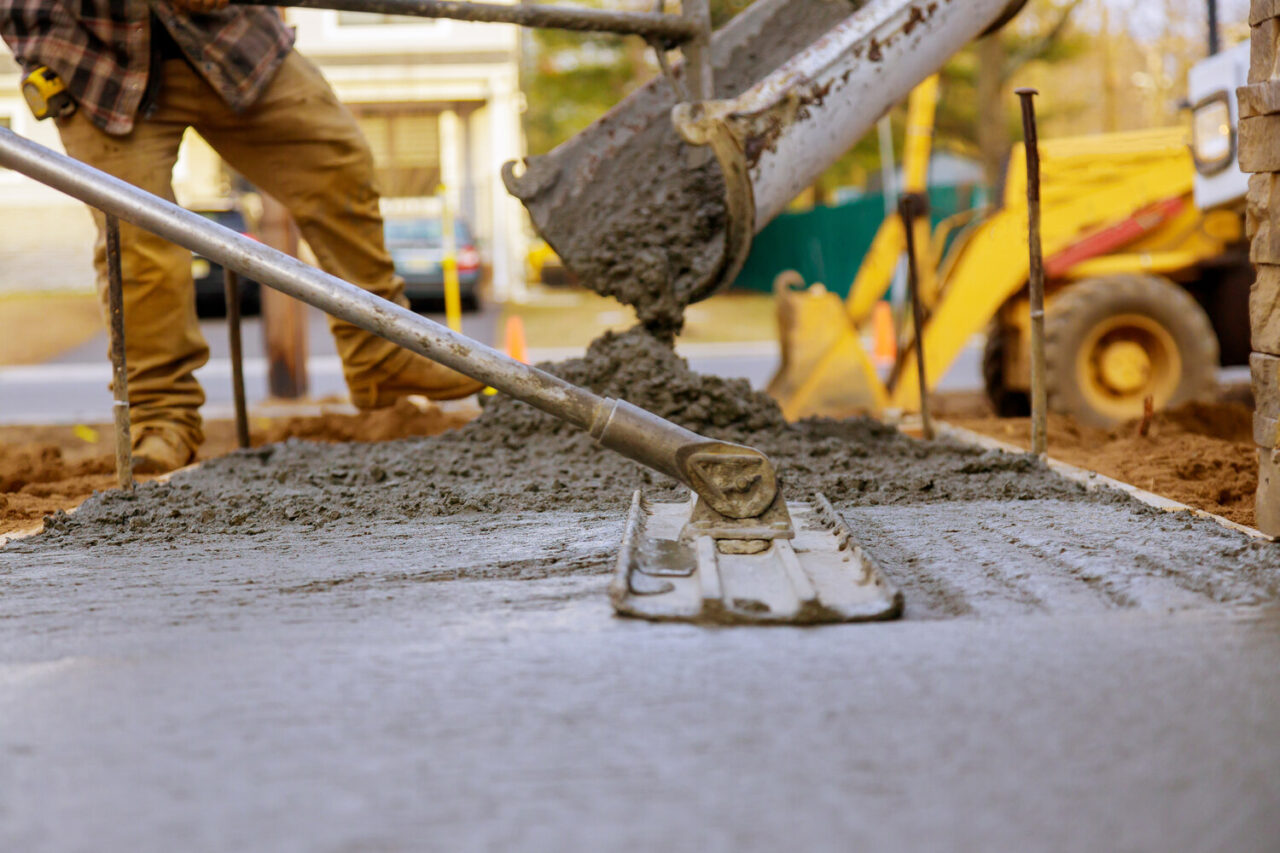
Most concrete is safe for light foot traffic in 24 to 48 hours, ready for light vehicles in about 7 days, and reaches its full strength after roughly 28 days. That timeline shifts with temperature, slab thickness, moisture, wind, mix design, and curing methods. When homeowners ask how long does concrete take to dry, it helps to separate “dry” from “cure.” Concrete does not dry like paint. It cures through a chemical reaction between cement and water that builds internal strength over time. A slab can look solid on day one yet still be gaining strength and durability for weeks.
Curing is the controlled process that allows that reaction to continue. Contractors manage it with water curing, curing compounds, blankets, and smart scheduling. Strength gain follows a typical pattern. Many mixes reach about 40 to 50 percent of design strength in 2 to 3 days, around 65 to 75 percent in a week, and near full strength by 28 days. Exact numbers depend on the mix and conditions, which is why patient early care pays off.
For walking, most patios and sidewalks are usable after 24 to 48 hours, assuming normal Minnesota weather and a standard 4 inch slab. For driving, a 5 to 6 inch driveway can usually handle cars after about 7 days. Heavy trucks, dumpsters, RVs, and skid steers should wait closer to the 28 day mark. Corners and edges stay vulnerable longer than the center of a slab, so treat them gently during the first week.
Several factors change the answer to how long does concrete take to dry. Cool weather slows the reaction. Hot, dry wind can pull moisture from the surface too quickly. Thicker sections hold moisture and heat longer and often cure more evenly, yet they still need time before load. Soil moisture beneath the slab, finishing practices, and additives that accelerate or slow set also matter. Good curing keeps moisture in long enough to build strength instead of letting it evaporate too soon.
If rain arrives shortly after placement, protect the surface rather than working water into the finish. A well timed cover, a light rework by the crew if appropriate, and continued curing often prevent permanent issues. Rain later the same day is less risky if the slab has set. Always keep foot traffic, bikes, and pets off the surface until your contractor gives a clear green light.
Useful benchmarks to remember:
- Walking: 24 to 48 hours for typical patios and sidewalks
- Place furniture or grills: after 3 to 7 days, using wide pads under legs
- Drive cars: about 7 days on standard residential driveways
- Park trucks, trailers, or dumpsters: closer to 28 days
- Seal most exterior slabs: often after 28 days unless using a breathable curing sealer specified by the contractor
Those timeframes assume a properly prepared base, a quality mix, and active curing. The rest of this guide explains the “why” behind each milestone, plus what to do in heat, cold, or rain, so your project looks great and lasts. While this is all good information to know, an experienced concrete contractor will handle all of these variables to ensure your concrete project is done right. Since every project is different, they are the best source of information when it comes to curing times and usability during the first few weeks.
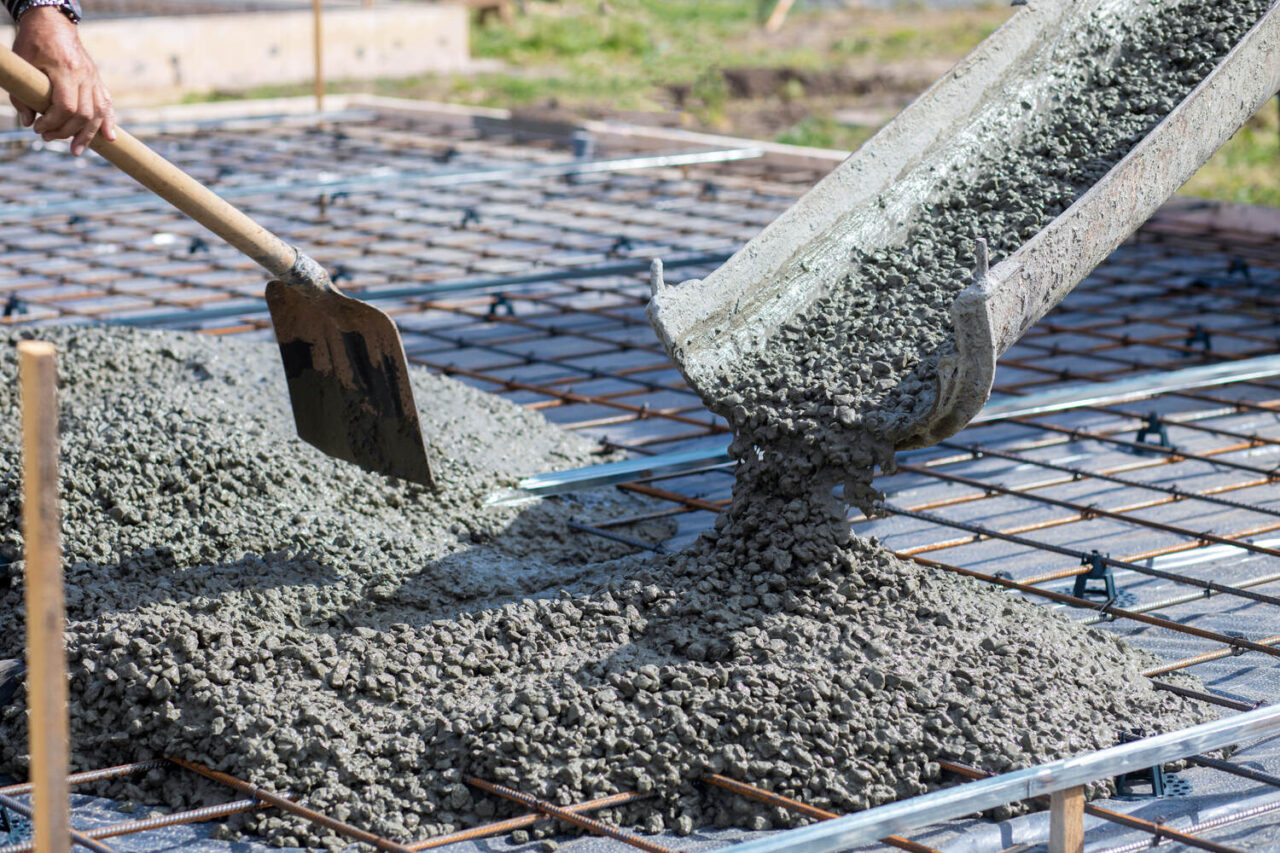
Curing Versus Drying: The Science in Plain Language
Concrete hardens because cement reacts with water to form crystals that lock sand and stone together. This is hydration, not simple evaporation. The surface can feel dry well before the internal hydration has created enough continuous bonds to carry load. That is why finishing techniques and curing methods aim to retain moisture in the slab for a controlled period. Proper curing improves strength, abrasion resistance, and long term durability, especially through harsh Minnesota winters.
Daily strength gain is not a straight line. Early days deliver large jumps, and then the curve gradually flattens. Most residential projects plan around the classic 28 day benchmark because it aligns with design assumptions for compressive strength and joint performance. That does not mean you must wait 28 days for every use, yet it explains why heavier loads should.
Typical Timelines for Patios, Sidewalks, and Driveways
Concrete Sidewalks and Small Pad Cure Times
Standard sidewalks and small entry pads are commonly 4 inches thick with a broom finish. With good curing and average spring or fall weather, expect 24 to 48 hours before foot traffic and 3 to 7 days before placing heavy planters or appliances. Keep bikes, strollers with narrow wheels, and pet claws off for at least the first day to prevent marks near edges.
Concrete Patio Cure Time
Most concrete patios are also 4 inches thick, sometimes thicker near hot tubs or footings. Walking is still a 24 to 48 hour target. Furniture can return after several days if you use protective pads or pucks to spread the load. Rolling grills or carts can wait a week so small casters do not dent the surface while the slab is still young. If you are planning an outdoor kitchen or a heavy fire feature, ask your concrete patio contractor about local thickening and a longer cure window before installation.
Concrete Driveway Cure Time
Residential concrete driveways can be 4 inches thick, but are often increased to 5 or 6 inches to handle heavier vehicles. A small car can typically drive on the surface after about 7 days in moderate weather. Avoid tight turning while stationary, since power steering scrubs the surface. Trucks, landscaping trailers, moving vans, and RVs should wait closer to 28 days. If you plan to place a dumpster, schedule it for the far end of that window and use load spreading sheets with blocks or plates.

Thickness, Project Size, and Heat of Hydration
Homeowners often assume thicker concrete dries slower. The truth is more nuanced. Thicker sections generate more internal heat during hydration, which can keep the reaction moving. At the same time, the surface still loses moisture to air. Larger pads also have more area to manage and longer finishing windows. The practical outcome is simple. Follow the same walking and driving milestones, then adjust a bit longer for heavier loads if your slab is unusually thick or reinforced for point loads. You can learn more about proper concrete thickness for driveways and other surfaces here.
Temperature, Humidity, Sun, and Wind
Concrete loves steady, mild weather. Fifty to seventy degrees Fahrenheit with moderate humidity is ideal. Cool air slows the chemical reaction, which extends set time and early strength gain. Hot, sunny, and windy days speed surface evaporation so fast that the top can dry before deeper layers develop. That mismatch can lead to plastic shrinkage cracks or surface crusting during finishing. Contractors compensate with scheduling, wind breaks, fogging, evaporation retarders, and curing compounds to trap moisture.
In Minnesota summers, fast drying is the main risk, which we manage by placing earlier in the day, keeping finishing efficient, and curing immediately. In the shoulder seasons and winter, cold slows strength development. Crews use warm water, non-chloride accelerators when appropriate, insulated blankets, and temporary enclosures to keep the slab within the correct temperature range so normal milestones still apply.
What if it Rains Before it is Cured
Rain is a common worry. If the slab is still plastic, falling drops can pit the surface and wash fine cement paste across broom lines. The fix is prevention. Crews watch radar, stage covers, and shield the work if a shower is imminent. Once the slab has set enough to resist marking, light rain is rarely harmful and can even help retain moisture. Heavy downpours soon after finishing may mar the texture. Do not brush, broom, or work standing water into the surface. Contact your contractor, who will decide whether a controlled touch up or a follow up treatment is appropriate.
If rain hits during the first day, leave the slab alone until standing water drains. Keep pets and children away. Resume curing once conditions stabilize. A well cared for surface should not develop permanent discoloration or dusting just because a shower passed through at the wrong time.
Sub-base, Soil Moisture, and Drainage
A compacted, well drained base is critical. Trapped water under a slab can migrate upward, prolonging how long concrete takes to dry at the surface and creating a soft zone that shows tire tracks early on. In patio and driveway work, granular base material allows incidental water to move away rather than push back into the slab. Good grading around the project keeps roof runoff and sprinklers from soaking the edges during the first week.
Mix Design, Water Content, and Additives
Not all concrete cures at the same pace. Lower water to cement ratios typically produce stronger concrete that is less permeable, yet the mix may set faster or slower based on the cement type and admixtures. Air entrainment is essential for freeze and thaw durability in Minnesota and does not slow curing when the crew manages finishing correctly. Accelerators help in cold weather. Retarders buy extra finishing time in heat. Fiber reinforcement limits plastic shrinkage cracks and does not change your walking or driving dates. The common homeowner pitfall is adding water at the site to “loosen” the mix. Extra water weakens paste, increases shrinkage, and can leave a surface more prone to scaling. A professional crew balances workability with performance without overwatering.
Finishing and Curing Methods that Protect Early Strength
The best finish is only as good as its curing. Water curing keeps the surface damp with light misting or soaked coverings for several days. Curing compounds form a thin membrane that slows evaporation. In cold weather, insulated blankets keep hydration within a healthy temperature band. The right choice depends on season, finish texture, and site logistics. The goal is consistent. Retain moisture for several days so the top does not dry out before the interior builds strength.
Jointing and Early Movement
Control joints guide shrinkage cracks to straight, planned lines. Saw cutting normally happens within the first day. Cutting too early can ravel the edges. Cutting too late risks random cracking. Once joints are in, avoid rolling cart wheels or narrow tires directly along fresh cut lines during the first two days. Those edges are the most fragile part of a young slab.
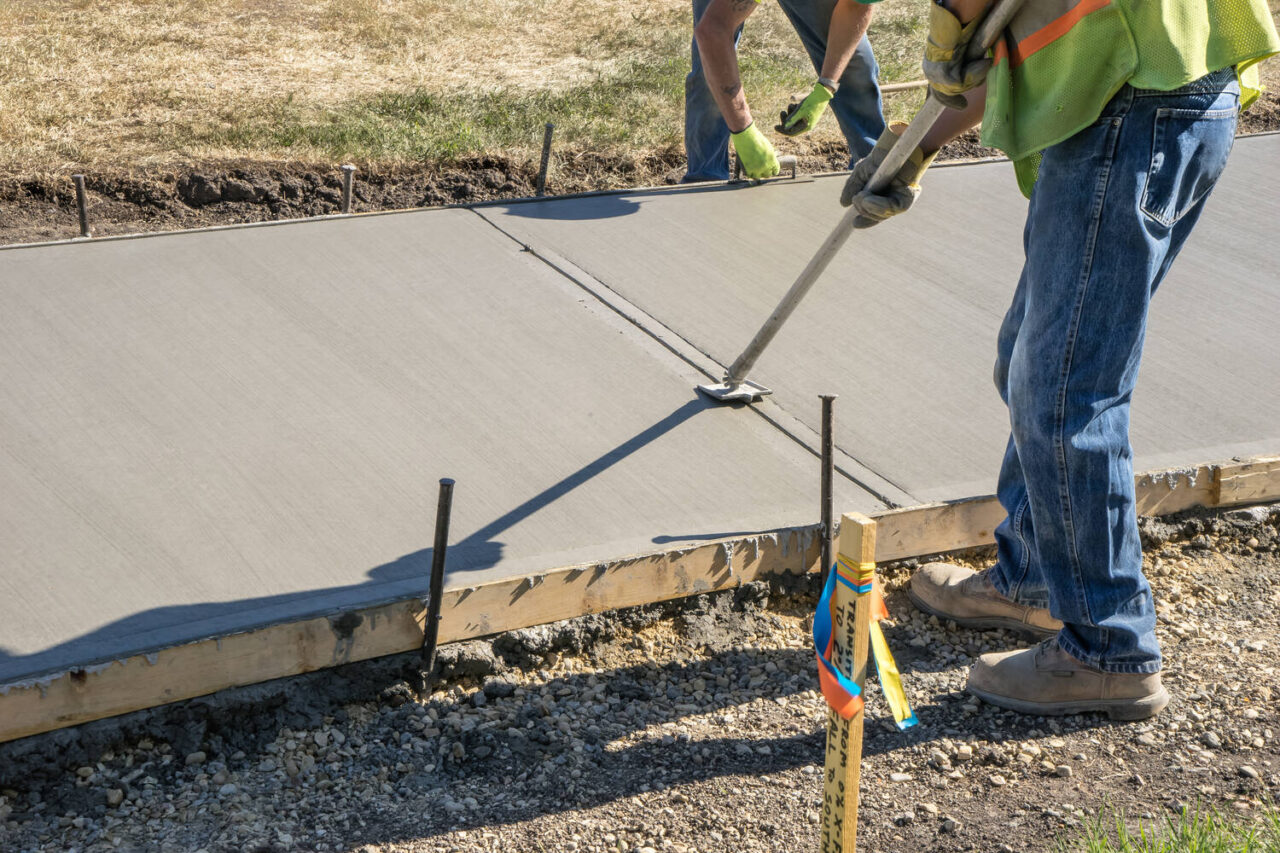
Day by Day: What You Should Expect
Day 0, Placement and Finish: The crew places, consolidates, strikes off, and trowels or brooms the slab, then begins curing. The surface darkens uniformly. No traffic of any kind.
Day 1, Early Strength: The slab feels hard, yet the paste is still tender near the top. Continue curing. Keep everyone off. If saw cuts are planned, they are usually completed during this window.
Day 2, Light Use: Most patios and sidewalks can open to careful foot traffic. Keep pets and bikes away. Do not drag grills, coolers, or planters. If temperatures are cool, allow a second full day.
Day 3 to 6, Normal Foot Use: Typical household activity is fine. Furniture can return with felt pads or pucks. Avoid setting narrow legs near edges and joints. Continue to avoid sprinklers that soak the slab for long periods.
Day 7, Passenger Vehicles: Driveways can welcome cars with gentle turning at low speed. Skip contractors’ trucks, moving vans, and dumpsters.
Day 8 to 27, Ongoing Strength Gain: Treat the slab with care, especially during hot-cold swings and heavy rain events. Avoid de-icers if any frost arrives.
Day 28 and Beyond, Full Use: The slab has matured enough for typical residential demands. Sealers and coatings that require a full cure can be scheduled now unless your contractor specified a different product.
Cold Weather and Hot Weather Placement in Minnesota
Cold conditions can make a 24 hour walk window stretch toward 48 hours, and the 7 day drive window stretch by a few extra days, especially if daytime highs struggle to reach the forties. Professional crews respond with warmer mix water, accelerators that do not compromise rebar, and insulated blankets. In heat, evaporation is the main enemy. Shade, wind breaks, careful timing, and curing compounds keep the surface from drying out before the interior bonds form. Either way, the schedule is adjusted slightly so quality stays high.
Early Care: What to Do and What to Avoid
Water cure if instructed. Keep sprinklers off the slab during the first week unless used intentionally for curing. Use wide pads under furniture legs. Place lumber strips or thick plywood under ladders, wheelbarrows, or carts if you must cross early. Do not use de-icers during the first winter. If traction is needed, choose clean sand. Clean spills quickly so fertilizers, grill grease, or leaf tannins do not stain the young surface. Avoid parking motorcycles with kickstands directly on fresh driveways; use a plate to distribute load.
When You Can Seal or Coat
Many decorative and protective products perform best over mature concrete. As a general rule, film forming sealers and topical coatings wait 28 days. Some breathable cure and seal products are applied the day of placement and act as both initial cure and early protection. Follow the product data and your contractor’s plan. In Minnesota, fall projects often delay nonbreathable coatings until spring to avoid trapping moisture during freeze and thaw.
Common Mistakes that Delay Use or Cause Damage
Overwatering the mix, finishing while bleed water is still present, skipping curing, and driving too early are frequent culprits. Another quiet troublemaker is placing downspouts to dump water beside a slab during the first week. That steady soaking softens edges and can leave wheel depressions on a driveway that would have been fine otherwise. The cheapest insurance is patience during those early days.
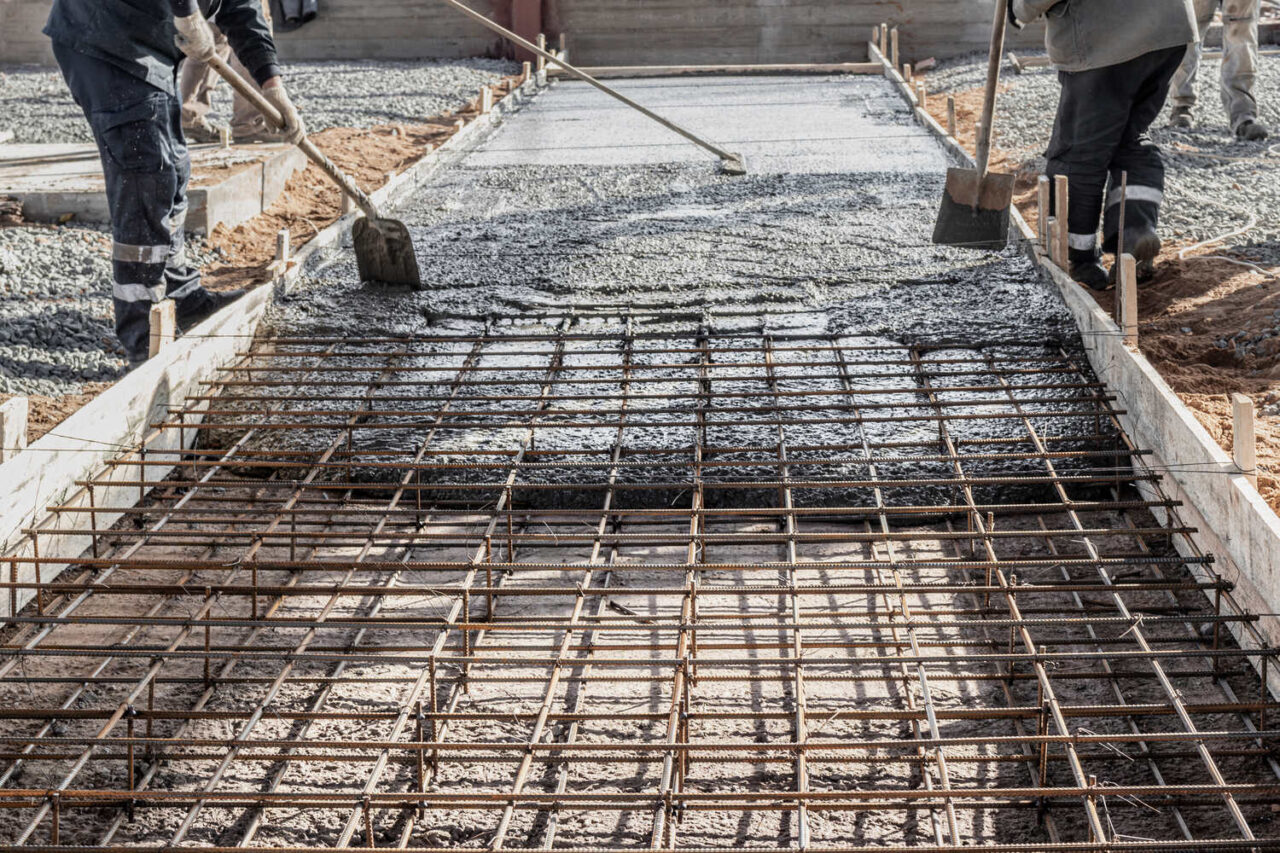
How Project Size Affects the Timeline
Larger pours add logistics. More concrete means longer placing and finishing windows, more joints to cut, and more perimeter to protect. Crews may phase placement so each section gets adequate attention. The homeowner timeline remains similar for walking and driving, yet staging items back onto the slab takes more planning. Give extra care to transitions and edges where small wheels and chair legs naturally migrate.
How to Get the Most Out of Your Concrete
Working around the concrete drying / curing process is fairly simple as long as you plan for 24 to 48 hours before walking, about 7 days before driving passenger vehicles, and 28 days for heavy loads and full strength. Those targets assume a quality mix, good curing, and mild weather. Work with your contractor to ensure any unusual temperature swings or weather is properly accounted for. At the end of the day, we always encourage homeowners to take a little extra care in the first week so your slab pays you back with decades of reliable service.
If you want a driveway or patio that will last past its full life expectancy, bring in a crew that treats curing as seriously as finishing. Our team at Kali Concrete has been a trusted Minnesota concrete contractor for over 40 years. Our team is local, never outsourced, and the owner is on every job site to make sure details like base prep, mix selection, and curing is done perfectly. Whether you’re looking for an elaborate concrete pool deck or a simple sidewalk, our team is here to help. Contact us today for a free consultation!