
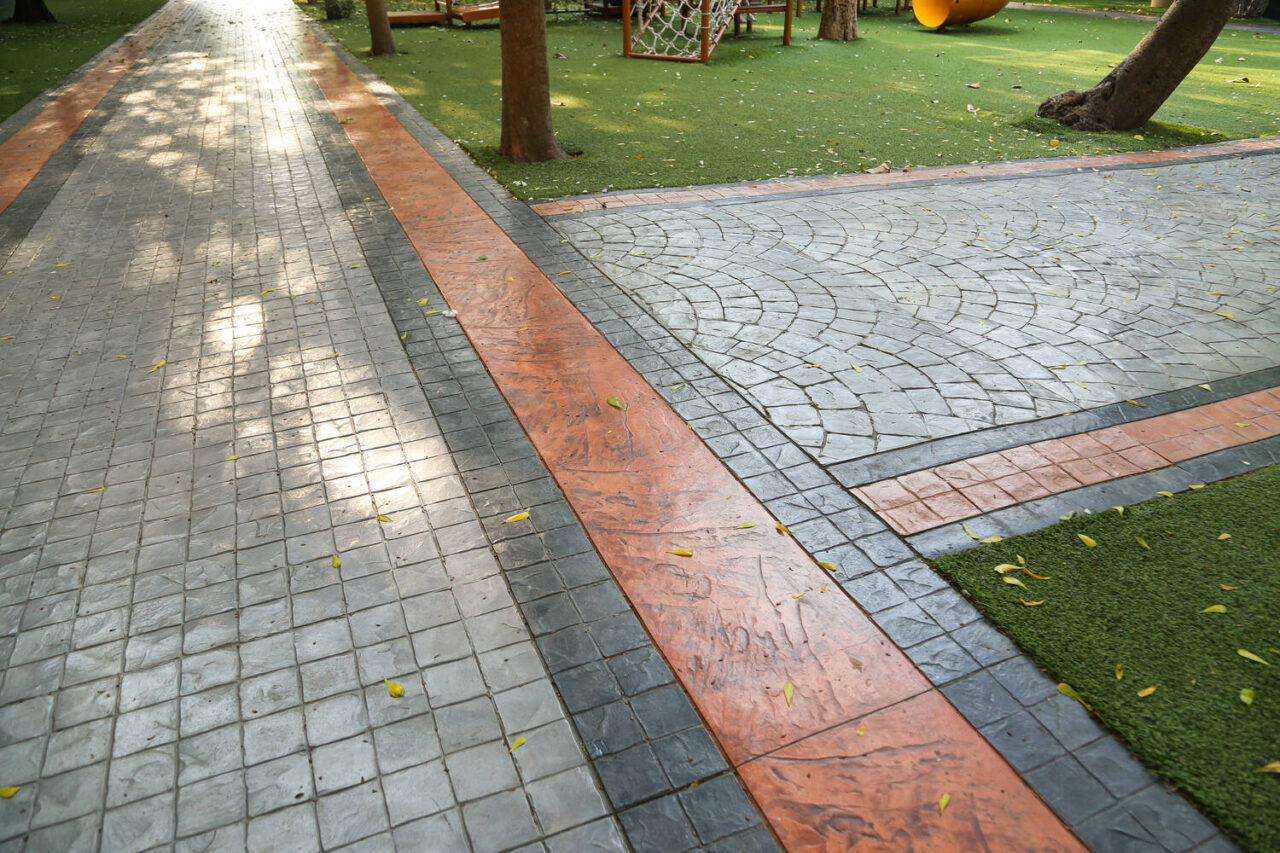
Choosing the right type of concrete for your project is essential to achieving the ideal durability, aesthetics, and functionality for the space. This commonly leaves two popular options, textured concrete and stamped concrete. The core difference between textured concrete and stamped concrete lies in the application process: textured concrete involves applying patterns directly onto the surface with brushes and other tools to create subtle textures, whereas stamped concrete involves pressing molds into fresh concrete to replicate detailed patterns and textures, often mimicking natural stone, brick, or wood.
With each option offering different levels of durability, functionality, and aesthetics, it’s important to understand the core differences so you can make the best choice for your project.
Understanding Textured Concrete
Textured concrete involves applying textures directly onto the surface of the concrete to create visually appealing, slip-resistant surfaces. Contractors typically use tools like brooms, brushes, or specialized floats to craft subtle patterns or expose aggregates within the concrete. This method provides a practical yet attractive finish suitable for a wide variety of uses.
Textured concrete is ideal for applications that require durability, safety, and some aesthetic appeal. Best applications include driveways, sidewalks, patios, and pool decks. The light texture increases slip resistance, making it especially beneficial in wet areas or in regions prone to rain, snow, or ice. Additionally, textured concrete often requires less intricate installation techniques compared to stamped concrete, making it generally faster to apply and more cost-effective.
One of the most common textures is the broom finish, achieved by dragging a broom across the concrete’s surface, creating shallow grooves that provide excellent traction. Alternatively, exposed aggregate concrete involves washing away the top layer to reveal decorative stones or gravel embedded within. This method offers a highly customizable appearance, allowing homeowners and business owners to select aggregates that complement their property’s style.
Textured concrete is also versatile in terms of coloring. Integral color can be mixed directly into the concrete, ensuring even color distribution throughout the entire batch, or surface color can be applied later using concrete stains or dyes.
Maintenance of textured concrete typically involves routine cleaning, periodic sealing to protect against stains and weathering, and occasional touch-ups to maintain its attractive appearance. Overall, the durability, practicality, and low-maintenance characteristics make textured concrete a go-to option for driveways and other high-traffic areas or spaces requiring a simple style with some extra grip.
Understanding Stamped Concrete
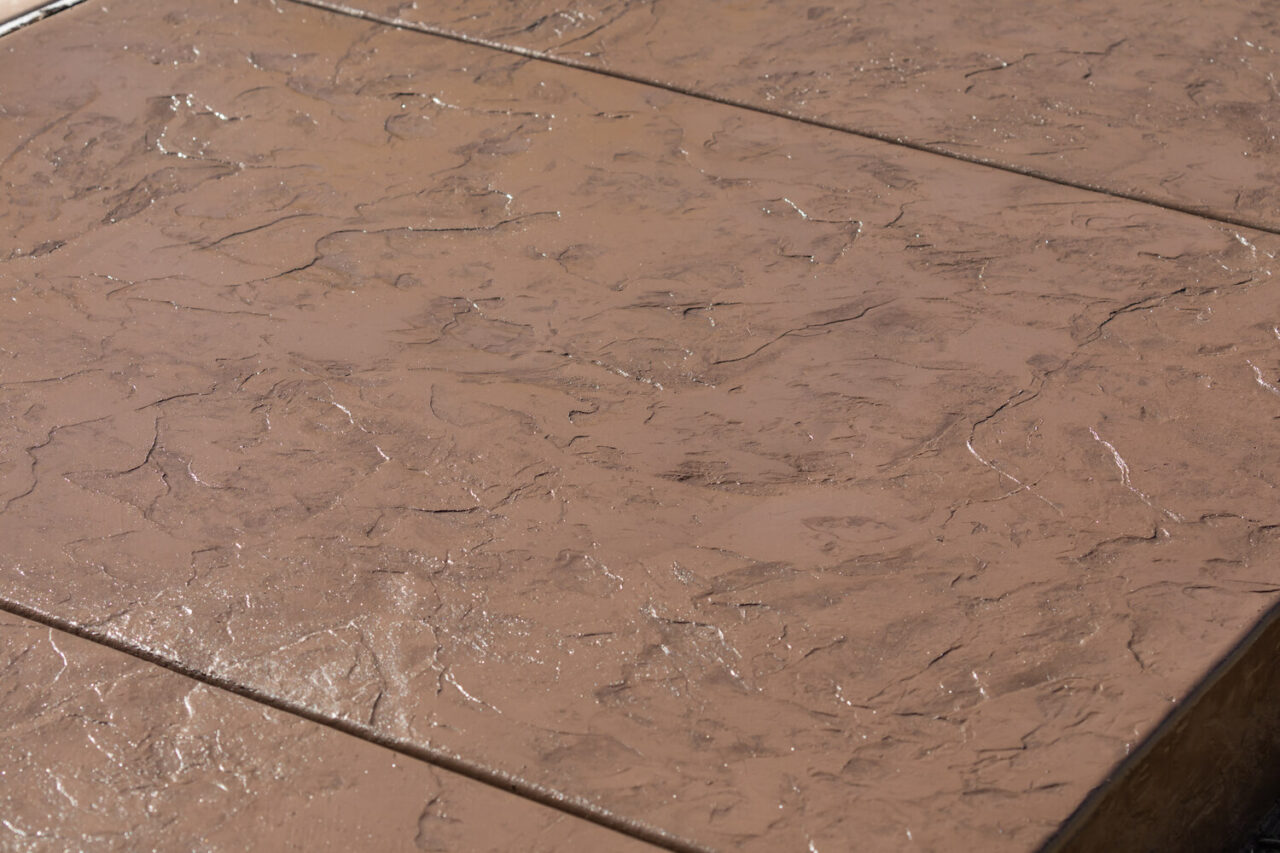
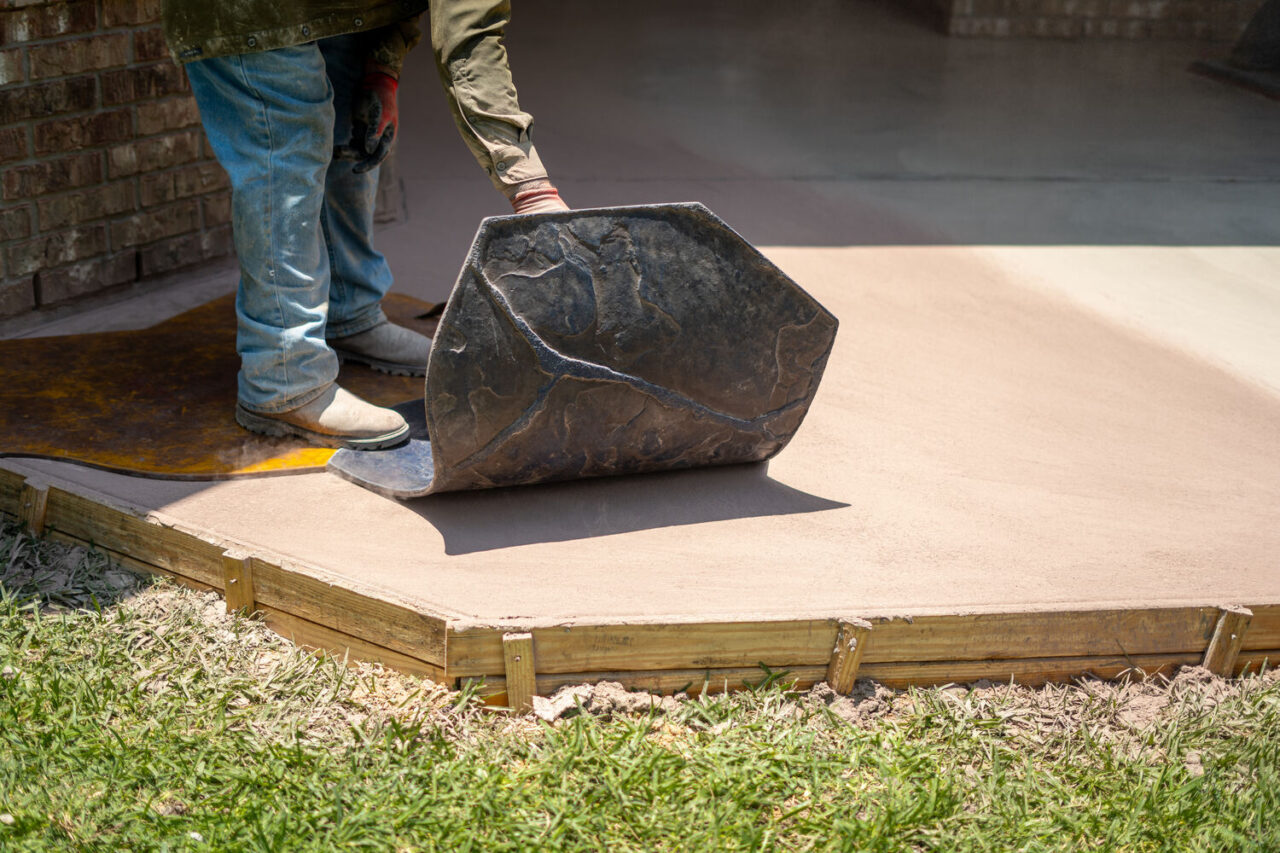
Stamped concrete is renowned for its ability to replicate the look of more expensive materials, such as stone, brick, tile, and even wood, at a fraction of the cost. This technique involves pressing patterned stamps into fresh concrete, creating detailed, visually appealing designs that closely mimic natural materials. After the concrete sets, colors and sealers are applied to enhance realism and durability.
Stamped concrete’s primary advantage is its aesthetic versatility and appeal. It’s an ideal solution for homeowners and businesses wanting high-end looks without the substantial costs and maintenance associated with natural materials. Popular applications include concrete patios, walkways, and pool decks, where creating a distinctive, luxurious atmosphere is a priority.
Stamped concrete is generally discouraged for driveways (especially in Minnesota) due to the reduced durability and increased cost. This is still a popular option for homeowners who want a beautiful driveway, but we always advise them on the implications of heavy parked vehicles, snow/ice, and increased maintenance.
Installation of stamped concrete requires precise timing and skill. The concrete must be adequately fresh to imprint the patterns clearly but set enough to maintain structural integrity. This delicate balance is best left to an experienced professional to ensure quality outcomes. The stamping process itself can also incorporate intricate designs, textures, and even borders or custom inlays to further elevate visual appeal.
Coloring options for stamped concrete are extensive, utilizing integral colors, stains, and dyes to achieve natural, blended effects. To enhance realism, contractors often use a combination of colors, employing techniques such as antiquing, highlighting, and color layering. Regular sealing every few years helps protect stamped concrete surfaces from weathering, staining, and fading, maintaining their vibrant appearance and durability.
Despite its initial investment being slightly higher compared to textured concrete, stamped concrete offers significant long-term value by providing unmatched aesthetics and minimal maintenance compared to natural stone or brick surfaces.
Key Differences: Textured Concrete vs. Stamped Concrete
While both textured and stamped concrete offer attractive and durable surface solutions, understanding their key differences will help you make the best choice for your specific needs.
Installation Complexity and Cost:
- Textured concrete generally involves simpler techniques, making installation quicker and more cost-effective.
- Stamped concrete requires precise, skilled craftsmanship, often resulting in higher installation costs.
Visual Appeal:
- Textured concrete provides subtle, practical aesthetics suitable for various applications, emphasizing safety and ease of maintenance.
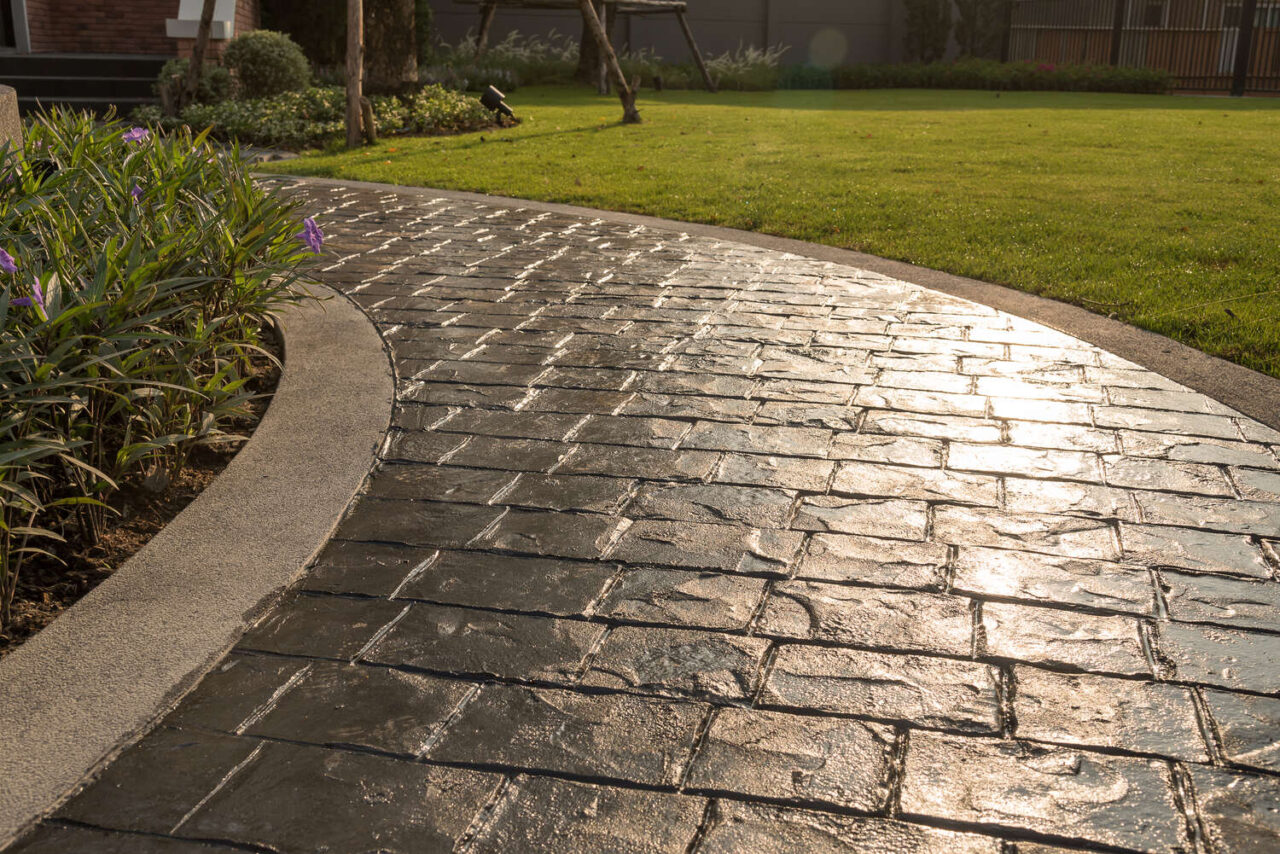
- Stamped concrete offers more elaborate, detailed designs, closely mimicking high-end materials such as natural stone, brick, and wood.
Maintenance Needs:
- Textured concrete requires basic maintenance, including regular cleaning and occasional sealing (generally once every 2 years) to preserve its functional properties.
- Stamped concrete requires routine cleaning (especially for complex patterns with deeper crevices) and sealing every 2 years to maintain its aesthetic integrity, protecting against fading and weathering.
Slip Resistance and Safety:
- Textured concrete is highly slip-resistant, making it ideal for areas prone to moisture or ice.
- Stamped concrete can be treated to enhance slip resistance, but the texture depth and sealant choices significantly affect safety performance.
Longevity and Durability:
- Both textured and stamped concrete offer excellent durability when correctly installed and maintained.
- Stamped concrete can be more vulnerable to minor surface wear or chipping due to intricate detailing, requiring careful installation and maintenance.
- Textured concrete is generally the best option for patios and pool decks.
- Both stamped and textured concrete can be used for driveways, but it is not necessarily recommended, especially if you plan on regularly parking heavier vehicles. While textured concrete is a little more durable, it can still get damaged from vehicles and stains which can reduce the visual appeal that led you to choosing it in the first place.
Your choice between textured and stamped concrete depends primarily on your desired aesthetic, budget, and functional requirements. For subtle elegance and robust functionality, textured concrete is ideal. For elaborate, high-end visual effects with the look of premium materials, stamped concrete is the right choice.
Trust Kali Concrete for Your Concrete Project
Whether you are leaning towards textured concrete or stamped concrete, the most important decision is the contractor you choose to install it. Finding an experienced and trusted concrete contractor like Kali Concrete will ensure your project is built correctly and will last for years to come.
Our team at Kali Concrete has proudly helped thousands of Minnesota homeowners with their stamped and textured concrete projects. From elaborate pool decks to durable driveways, our team is here to help you choose the best options for your project to ensure you are left with a beautiful outdoor space your family will love. Contact us today to schedule a free consultation!