
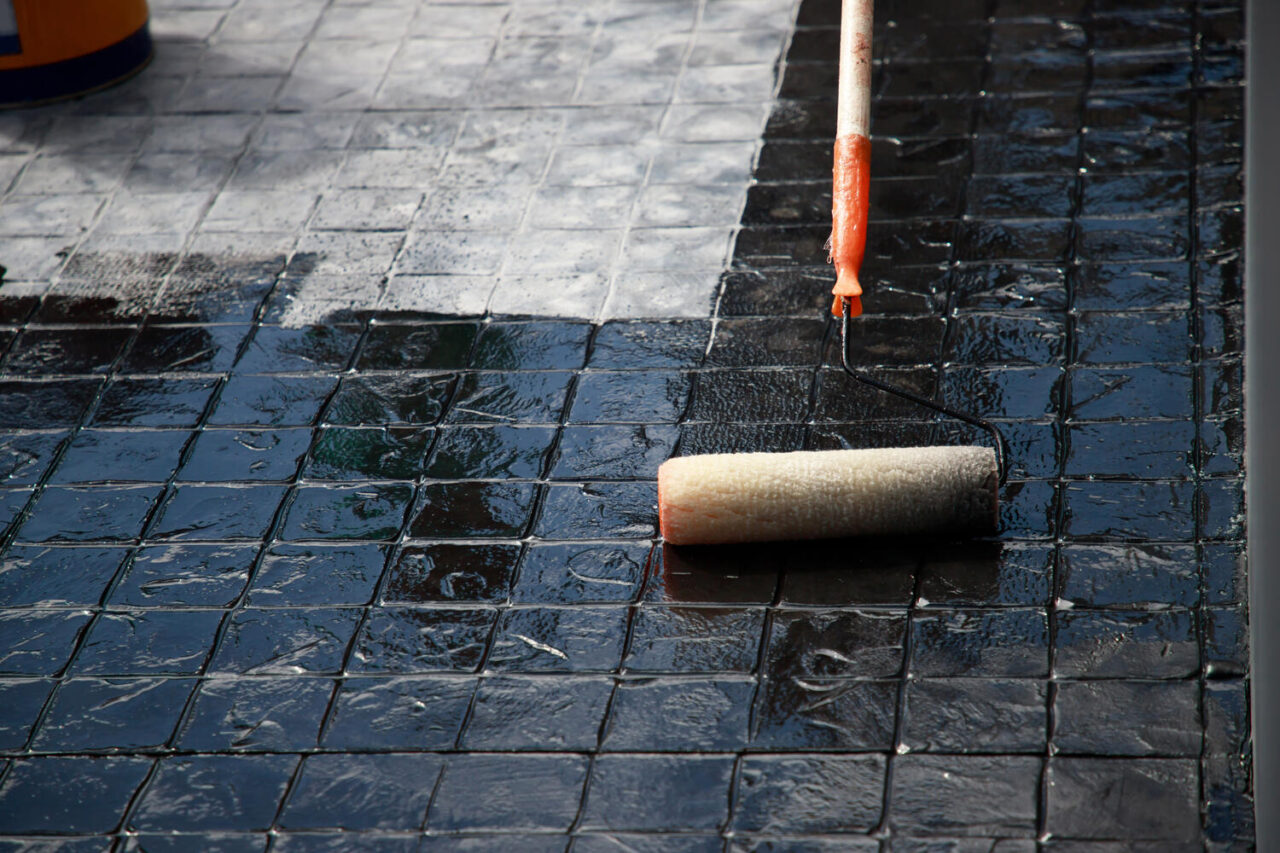
Quick Answer: Choosing between integral colored concrete and stained concrete generally comes down to whether you’re pouring new concrete or upgrading an existing slab.
For New Concrete: Choose Integral Color
If you’re pouring new concrete, integral color is usually your best option. Pigment is blended directly into the concrete mix before placement, so the color goes all the way through the slab. This means chips don’t expose gray concrete underneath, scuffs are less noticeable, and future touch-ups blend in naturally.
You’ll get calm, architectural tones that pair beautifully with a light broom finish or decorative stamped concrete borders. While the upfront cost runs higher than plain gray concrete, maintenance stays simple: clean as needed and reseal every 2 to 3 years for Minnesota’s outdoor conditions.
For Existing Concrete: Choose Stained Concrete
If your slab already exists and remains in decent shape, stained concrete offers the faster, more affordable facelift. Stains get applied after the surface is cleaned and properly prepped.
Acid stains chemically react with the concrete to create natural, mottled earth tones with unique character. Water-based stains provide a wider color palette and more uniform coverage, from warm browns to contemporary slate grays. Staining proves budget-friendly and opens creative possibilities like layered colors or saw-cut accent designs.
The tradeoff? Color lives near the surface and depends on a quality sealer for protection. Plan to reseal on schedule so your finish maintains its depth and durability.
Integral Colored Concrete vs. Stained Concrete: Key Differences
Color consistency: Integral color delivers uniform results when batching and finishing stay consistent. This makes it perfect for large driveways and patios where you want a cohesive look. Stained concrete embraces natural variation. Acid stains always show organic movement and veining, while water-based stains reflect your slab’s porosity and any previous repairs. Always test stain colors on older patios, walkways, or interior floors before committing to the full area.
Budget and maintenance: Integral colored concrete costs more at installation but requires less ongoing care. It creates subtle, timeless curb appeal without demanding constant attention. Stained concrete costs less upfront and offers flexibility from dramatic to understated finishes. However, it requires diligent sealer maintenance, especially on exterior surfaces exposed to sun, traffic, snow, and de-icing salts.
The bottom line: Choose integral color for new pours when you want maximum durability with minimal fuss. Choose stain to transform existing concrete without demolition, and commit to regular prep and sealer cycles. Both approaches deliver excellent, long-lasting results when properly installed and maintained.
What is Integral Colored Concrete?
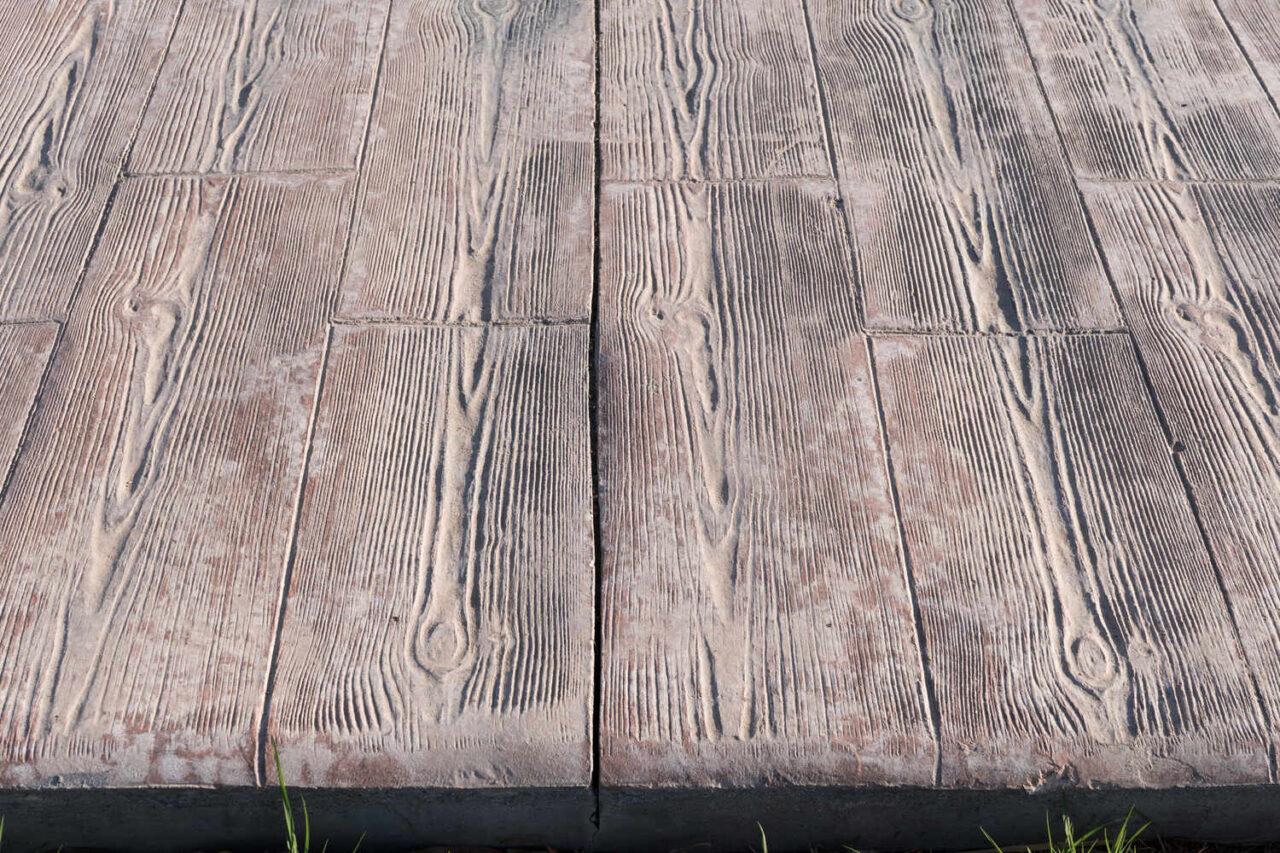
Integral colored concrete gets its color from iron oxide or synthetic pigments mixed directly into the concrete at the plant or on site. Because the pigment disperses throughout the entire batch, the color runs from top to bottom through the slab.
This full-depth color is the primary advantage of integral colored concrete. When the surface gets a small chip or scuff, there’s no sharp gray contrast showing through. The color remains consistent even as the surface wears over time.
How Integral Color is Applied
The coloring process begins before the concrete is ever poured. Pigments are added during batching and mixed thoroughly to ensure even distribution. Once placement begins, consistency becomes critical. Holding water content steady, matching finish timing, and curing correctly all help keep the shade uniform from panel to panel.
After installation, exterior slabs still benefit from a breathable sealer. The sealer enriches the color slightly, helps resist water and road salts, and makes routine cleaning easier.
Pros of Integral Colored Concrete
Built-in durability: Color runs through the entire slab depth, so chips and surface wear don’t reveal gray concrete underneath.
Perfect for new construction: Integral color works beautifully for new driveways, patios, concrete pool decks, and walkways where you’re starting from scratch.
Low-maintenance finish: The color is permanent and doesn’t depend on surface coatings to maintain its appearance.
Pairs with decorative techniques: Works seamlessly with stamping, saw cut borders, and light broom textures without relying on tinted sealers.
Long-term value: Future repairs and touch-ups blend naturally since the color goes all the way through.
Think of integral colored concrete as the calm, cohesive option that delivers custom color while complementing your home and landscape without overwhelming it.
Cons of Integral Colored Concrete
Limited color range: The color palette of integral colored concrete leans toward natural earth tones, charcoals, and subtle hues rather than bright or bold colors. While brighter colors are available, it’s not necessarily something we recommend due to the higher maintenance and reduced durability (more prone to obvious scuffs, scratches, and cosmetic issues).
Potential for minor variations: Shade can vary slightly between loads if water content or curing conditions change during installation. For most residential projects, contractors will try to use one batch to ensure the color is consistent.
Difficult to change later: Switching to a very different color after installation typically requires applying stain, dye, or an overlay system. While this is doable, it will be more difficult if you are going from a warm tone to a cool tone.
Higher upfront cost: Integral color adds to the initial installation cost compared to plain gray concrete.
These tradeoffs are manageable for most residential projects, especially when the goal is a timeless look with minimal ongoing maintenance.
Best Applications for Integral Colored Concrete
Integral colored concrete shines in these situations:
New installations where you want permanent, built-in color and clean lines throughout the surface. Driveways and snow country patios where shovels, snow blowers, and heavy traffic are part of everyday life. Projects where long-term blending of future repairs matters for maintaining a cohesive appearance. Commercial or residential spaces that need uniform color across large areas.
For homeowners planning a brand new concrete slab, integral color is often the low-stress, high-value choice that pays dividends for years.
What is Stained Concrete?
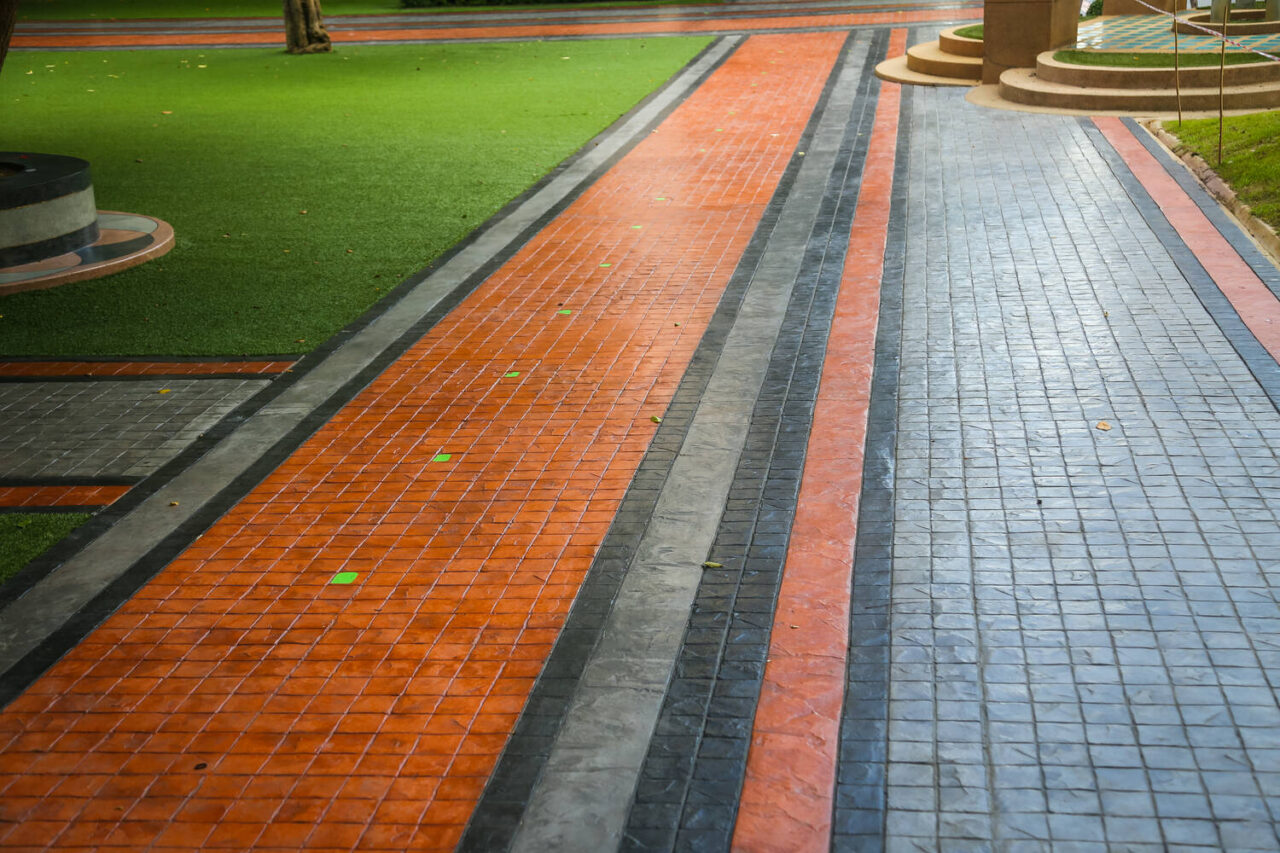
Stained concrete adds color after the slab has cured and is ready for finishing. Two main types dominate residential applications.
Acid stains use a mild acid solution with mineral salts that chemically react with the lime in concrete to create translucent, variegated tones. The result is stone-like movement and classic earth colors with natural variation.
Water-based stains carry fine pigments that lodge in the surface pores and produce a wider palette, from warm browns to slate grays and more contemporary tones. They offer more uniform coverage than acid stains.
How Stained Concrete is Applied
Surface preparation is the make-or-break step for stained concrete. The concrete must be clean and porous enough to accept the stain. Old sealers, adhesives, paint, and grease block penetration and lead to uneven, blotchy color.
Proper prep often includes degreasing, stripping old coatings, and sometimes light grinding to open the surface. Acid stain requires a neutralizing rinse after the chemical reaction completes. Both stain systems need adequate drying time before sealing.
A clear, exterior-rated sealer then protects the color and brings out the depth and richness of the stain. This sealer becomes a critical part of the color system for stained concrete.
Pros of Stained Concrete
Transforms existing slabs: Revitalizes sound concrete without demolition or replacement costs.
Creative flexibility: Allows artistic effects like layering multiple colors, mottling, and saw cut accent designs.
Lower upfront investment: Costs significantly less than pouring new integrally colored concrete.
Fast turnaround: Provides a complete cosmetic upgrade in a fraction of the time needed for replacement.
Artistic variation: Embraces the unique character of each surface, creating one-of-a-kind results.
Stained concrete gives you the flexibility to go subtle or bold while keeping the concrete structure you already own.
Cons of Stained Concrete
Dependent on substrate quality: Results vary based on the existing slab’s condition and how well it’s prepared.
Surface-level color: Color penetrates only the top layer and relies heavily on sealer for protection and longevity.
Challenging repairs: Matching stain colors during future concrete repairs can be difficult.
Limited palette for acid stains: Acid-based options are restricted to earth tones, while bright colors require water-based stains or dyes (water-based can be less durable than acid-based).
Requires sealer maintenance: Regular resealing is essential to protect the color and maintain appearance.
With realistic expectations and careful surface preparation, stained concrete can deliver excellent value and a truly custom look.
Best Applications for Stained Concrete
Stained concrete works best in these scenarios:
Existing patios, porches, and interior floors that need aesthetic refreshing without structural work. Decorative bands or border treatments added to otherwise plain concrete slabs. Homeowners who appreciate artistic variation and are comfortable maintaining regular sealer schedules. Garage floors, basement floors, and other interior spaces where wear patterns add character.
Staining is a powerful tool when replacement isn’t in the budget and you want visible character and personality.
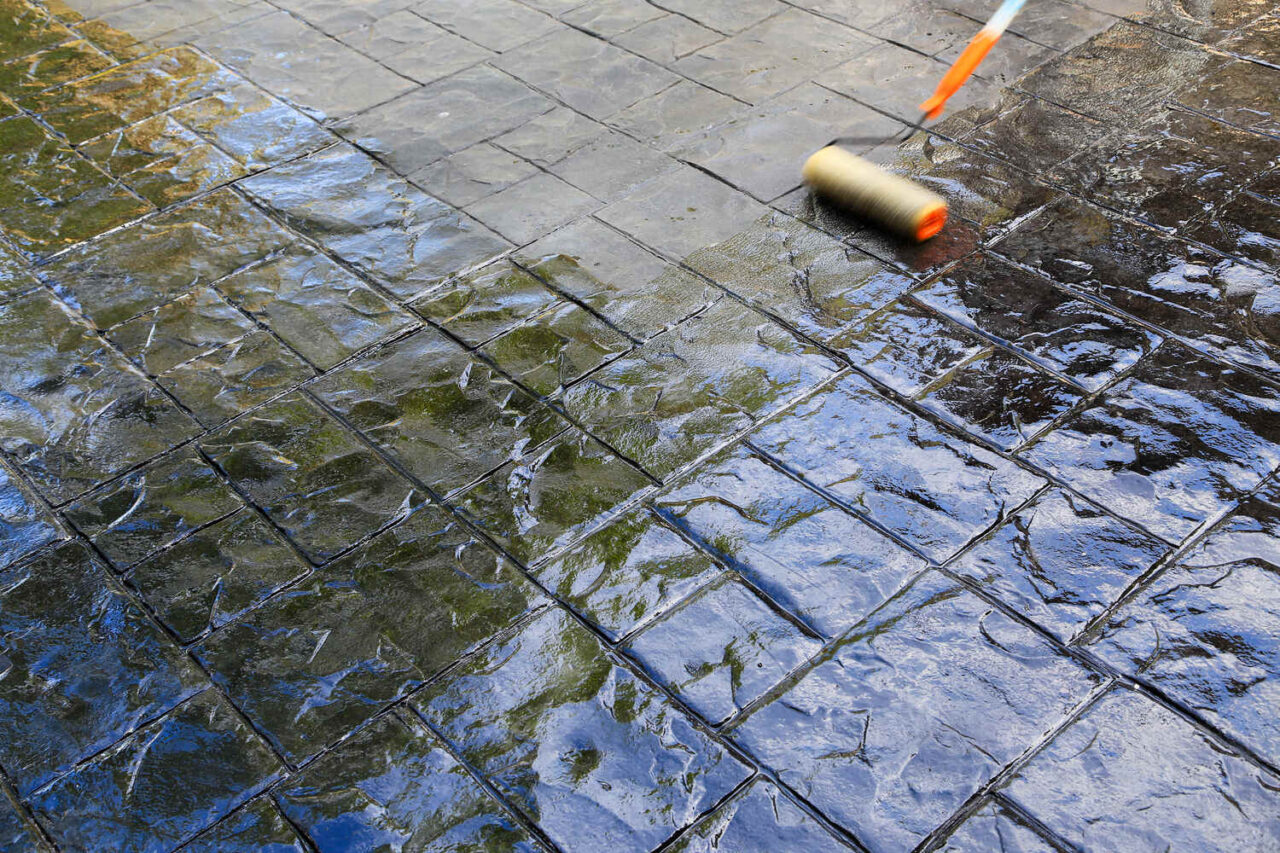
Integral Colored Concrete vs. Stained Concrete: Direct Comparison
Color Depth and Durability
Integral colored concrete carries pigment throughout the full thickness of the slab. Chips, scuffs, and surface wear don’t expose contrasting gray concrete. This makes it more forgiving in high-traffic areas or where snow removal equipment may cause minor surface damage.
Stained concrete places color in the top layer only. While this creates beautiful effects, it means the color is more vulnerable to wear and depends on a quality sealer for protection. Deep scratches or significant surface damage can expose the gray concrete beneath.
Installation Timing
Integral colored concrete must be specified and mixed before the pour begins. You’re making a color commitment at the start of the project. This method only works for new concrete installations.
Stained concrete can be applied to existing slabs at any time, making it ideal for renovation projects or upgrading older concrete that’s still structurally sound.
Color Consistency
Integral colored concrete provides more uniform color when batching and finishing are controlled by an experienced crew. It’s the better choice for large driveways and patios where consistent appearance matters.
Stained concrete embraces natural variation. Acid stains will always show some movement, veining, and color shifts. Even water-based stains reflect differences in the slab’s porosity and any previous patching. This variation can be beautiful but requires accepting less uniformity.
Maintenance Requirements
Both integral colored concrete and stained concrete benefit from periodic sealing, especially on exterior surfaces exposed to winter conditions.
Integral colored concrete uses sealer primarily for protection against water, salts, and UV damage. The color itself doesn’t depend on the sealer to exist.
Stained concrete relies on sealer as part of the color system. The sealer deepens the color and protects the layer where the stain resides. Maintaining the sealer schedule is essential to preserving the appearance.
Plan to reseal exterior surfaces every 2 to 3 years based on exposure and traffic levels. Spring inspections and prompt crack repairs help both systems last longer.
Budget Considerations
Integral colored concrete costs more at installation time compared to plain gray concrete, but it reduces maintenance attention and expense over the life of the slab. You’re investing upfront for simplicity later.
Stained concrete keeps initial costs low when working with existing slabs. The savings can be significant compared to replacement. However, the long-run cost includes disciplined sealer maintenance cycles to keep the finish looking its best.
Decide whether you prefer to invest more at installation for lower maintenance, or spend less initially and budget for ongoing sealer applications.
Key Considerations for Minnesota Homeowners
Project Type
If you’re pouring new concrete, integral color is the most durable way to build color into the slab from day one. If your existing slab is structurally sound, staining offers a practical upgrade without demolition.
However, if the slab shows significant cracking, spalling, or heavy patching, consider concrete overlays or full replacement rather than staining alone.
Design Style and Aesthetic Goals
Integral colored concrete reads as calm and cohesive. It’s ideal when you want the driveway or patio to complement your home’s architecture rather than dominate the landscape.
Stained concrete brings visible movement and can be layered for artistic depth. If you love an antique stone effect, acid stain is a natural fit. For more uniformity or contemporary tones, water-based stain is the better route.
Minnesota Climate Factors
Minnesota’s freeze-thaw cycles, road salt exposure, and snow removal demands affect both coloring methods. A quality sealer protects integral colored concrete from salt damage and moisture penetration. For stained concrete, the sealer is even more critical since it guards the surface layer where all the color lives.
Work with a contractor who understands local climate challenges and can specify appropriate sealers, slip resistance treatments, and salt-resistant products for your specific application.
Quick Decision Guide: Integral Colored Concrete vs Stained Concrete
This checklist helps you make a confident choice between integral colored concrete and stained concrete:
Choose integral colored concrete if:
- You’re pouring new concrete from scratch
- You want uniform, consistent color across large areas
- You prefer the lowest possible maintenance routine
- You want future repairs and touch-ups to blend naturally
- You’re planning a driveway, large patio, or high-traffic area
- Long-term durability with minimal upkeep is your priority
Choose stained concrete if:
- You’re keeping your existing concrete slab
- You want creative, layered, or artistic color effects
- You’re ready to invest time in proper surface preparation
- You’re comfortable with regular sealer maintenance schedules
- You prefer lower upfront costs with ongoing maintenance investment
- You appreciate natural variation and unique character
Either path can deliver a beautiful, durable surface when matched correctly to your site conditions, design goals, and maintenance preferences.
Other Concrete Coloring Methods to Consider
Integral colored concrete and stained concrete aren’t your only options. Depending on surface condition and design goals, your contractor may suggest these alternatives:
Color hardener is a dry shake powder broadcast onto freshly placed concrete and worked in during finishing. It creates intense surface color and increases abrasion resistance. Color hardeners are common on stamped borders and decorative bands but add labor and require experienced finishers.
Concrete dyes are ultra-fine colorants that penetrate deeply and produce rich, vibrant color, especially effective on polished interior floors. Some dyes lack UV stability for outdoor use, so always confirm exterior ratings and plan for sealer maintenance if used outside.
Tinted sealers and semi-transparent coats add a light wash of color or refresh faded surfaces. They exist in the sealer film rather than the concrete itself, so they wear with the sealer and require reapplication during each maintenance cycle.
Microtoppings and concrete overlays create a thin new surface over existing slabs. They can be integrally colored or stained after placement, and they accept stamping or texturing. Overlays are ideal when the base concrete is structurally sound but too patchy or stained to accept clean color.
Discussing these options with an experienced contractor helps match the finish to your specific site conditions, design vision, and maintenance comfort level. Often the best results combine methods, such as an integrally colored main field with a stamped or color-hardened decorative border.
Choosing an Experienced Concrete Contractor
The coloring method matters, but the outcome depends even more on who installs it. A qualified concrete contractor will evaluate your site, listen to how you plan to use the space, and recommend the best approach based on facts rather than assumptions.
For integral colored concrete vs stained concrete projects, the right professional will:
Assess the slab and site thoroughly: Check for prior sealers, contaminants, moisture issues, porosity levels, and structural problems that affect color acceptance and long-term durability.
Match method to project needs: Recommend integral color for new pours requiring uniform, built-in tone, stain for sound slabs needing cosmetic refresh, or overlays when the surface is too damaged for clean staining.
Plan for climate and intended use: Specify sealer type, slip resistance features, and salt resistance appropriate for Minnesota weather, snow removal methods, and expected foot or vehicle traffic.
Engineer the fundamentals correctly: Confirm proper base preparation, slab thickness, reinforcement, drainage design, and control joint layout so the color sits on a structure built to last.
Prove the look before full installation: Provide color samples and on-site test patches to dial in the exact shade, opacity, and finish before committing to the entire area.
Clarify maintenance and budget expectations: Outline maintenance intervals, compatible cleaners and de-icers, and a realistic budget that reflects your finish choice.
Choose a contractor with a strong portfolio of completed projects, verifiable local references, and detailed written specifications. When the structural fundamentals are engineered correctly and the finish system fits your site and lifestyle, both integral colored concrete and stained concrete can perform beautifully for decades.
Minnesota’s Integral Colored Concrete Experts
If you’re looking for a concrete contractor in Minnesota with extensive integral colored concrete experience, choose Kali Concrete. We’ve been in the business for over 40 years and maintain a fully in-house crew of concrete professionals, with the owner on site for every project.
Whether you’re looking into a new concrete driveway, textured patio, pool deck, or clean new sidewalk, we deliver unmatched quality from preparation through final finishing.
Ready to get started on your next concrete project? Contact Kali Concrete today for a free consultation!