
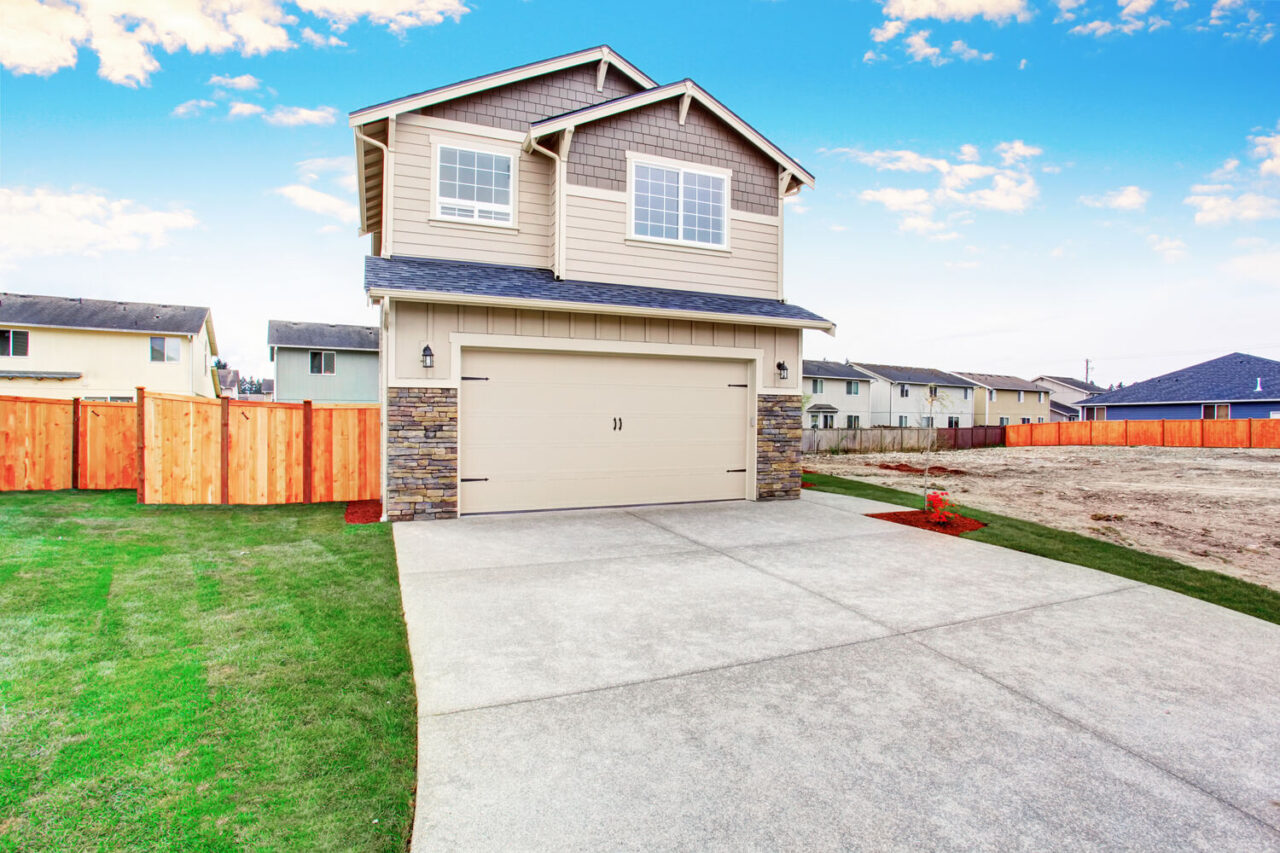
A driveway has a simple job on paper, but in real life it handles a lot. From cars turning in and out to kids playing, all with the constant wear and tear of Minnesota weather. If you want something that looks sharp and holds up without constant fuss, concrete driveways are a smart move for many Minnesota homes. Asphalt, gravel, and pavers can work too, but concrete tends to offer the best mix of longevity, clean looks, and reasonable upkeep.
Concrete Driveway Basics
If you want a driveway you can set and forget, concrete is tough to beat. Professionally installed concrete driveways usually last 30 years or more, and with basic care they keep their bright, tidy look for a long time. Compared with asphalt, concrete typically needs fewer big maintenance cycles and stays lighter and cleaner looking. Compared with pavers, you skip joint weeds and shifting. Compared with gravel, you get a solid, mud‑free surface that does not wander into your garage.
Budget matters, so here is the simple version. Most standard gray concrete driveways land in a broad price range that starts around $6 per sq ft and can climb to about $12 per sq ft depending on thickness, base work, and local labor. Decorative options and heavier sections add cost. The biggest cost factors are size, soil conditions, thickness, reinforcement, and finish choice.
Design is where you can have fun. Integral color with a light broom texture gives you a subtle, custom look that is easy to live with. Stamped and highly textured finishes can look amazing, but they do take more care with sealing and snow removal. If your top priority is maximum lifespan and minimal maintenance, keep the texture modest and let color and clean saw‑cut lines do the styling.
Under the surface, the fundamentals matter. A stable base, the right thickness, well‑planned control joints, good reinforcement, and patient curing are what help prevent early cracking. After the pour, your job is simple. Keep water draining away, reseal on a schedule, and fix little issues before they turn into big ones. With that foundation in place, you will get years of dependable service.
Five Pros of Concrete Driveways
Long service life: With proper installation and basic maintenance, concrete driveways regularly reach 30 years and often more. That long runway is a big reason homeowners pick concrete over materials that need earlier replacement.
Stays stable under real‑world use: Concrete handles parked vehicles and the turning movements that happen near the garage and at the street. The surface stays flat and feels solid underfoot, which is both practical and nice to look at.
Flexible style: Concrete accepts integral color, clean saw‑cut borders, and a range of textures from light broom to decorative stamping. You can dial in modern, traditional, or rustic without switching materials.
Low routine upkeep: Most owners can manage the care calendar themselves. Rinse away grime, reseal every 2 to 3 years, and touch up small cracks when they appear. There is no annual resurfacing routine.
Strong long‑term value: Upfront cost is higher than asphalt or gravel, but the long lifespan and fewer big maintenance events usually bring the cost per year down. It is a pay‑once and enjoy‑for‑years proposition.
Concrete Driveways vs Asphalt, Pavers, and Gravel
Concrete vs asphalt: Asphalt often wins when the budget is very tight or when a short‑term solution is fine. It installs quickly and looks uniform at the start. In day‑to‑day life, asphalt needs periodic sealing and shows wear sooner. Concrete costs more to install but demands less over time, keeps a brighter look, and offers more design choices.
Concrete vs pavers: Pavers create rich patterns and make it easy to swap a single unit if something chips. They also require spotless base work and ongoing joint care to keep weeds and sand in check. Concrete can deliver a similar upscale feel with stamping and integral color, while eliminating the maze of joints across the area.
Concrete vs gravel: Gravel is inexpensive and can be great for long country lanes. It shifts, throws dust, and needs grading and fresh rock. Concrete gives you a clean, stable surface that boosts curb appeal and keeps dirt out of the garage. In most neighborhoods, concrete is the tidy, long‑term choice.
How Long Should a Concrete Driveway Last
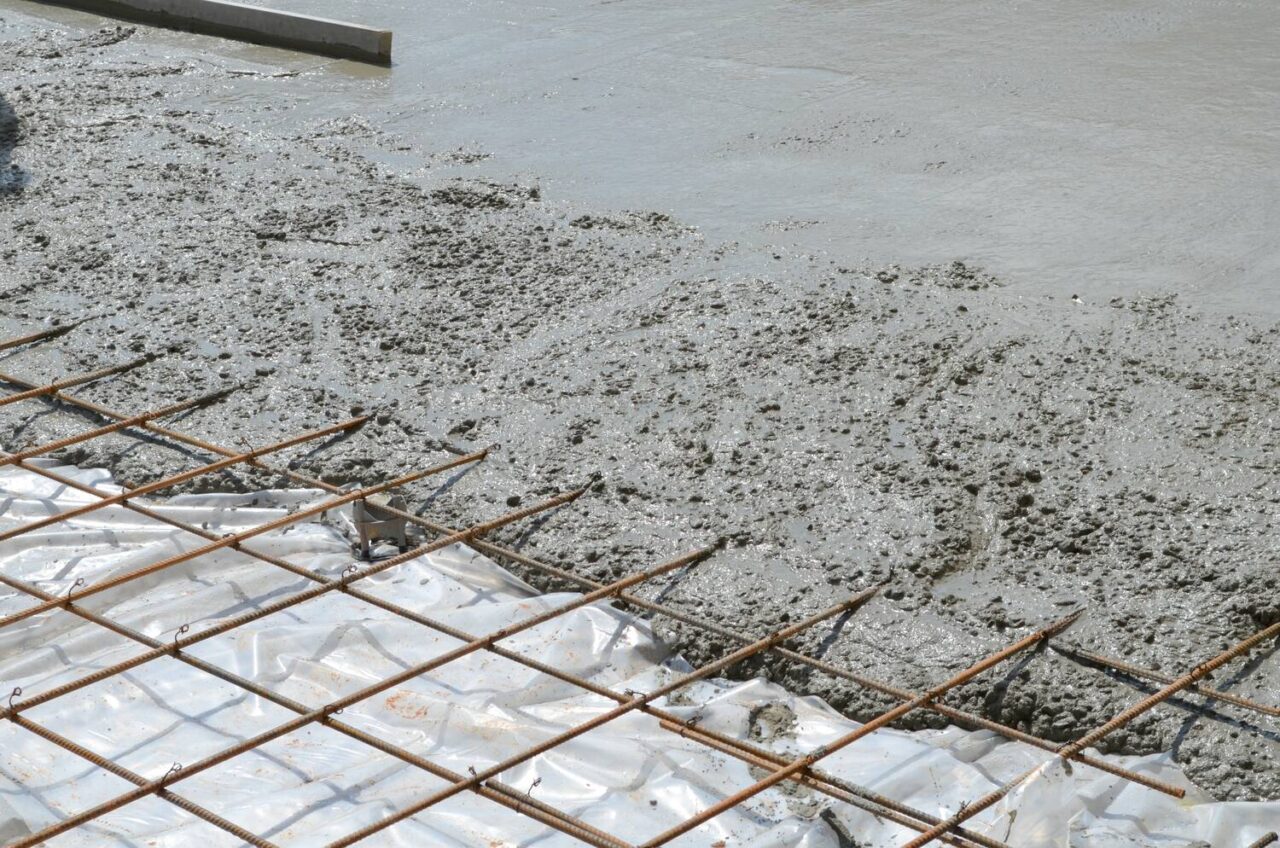
In Minnesota, a concrete driveway that is designed and installed correctly should deliver 30 years or more. Longevity comes from a handful of choices that happen before and during the pour. Start with a stable, compacted base and the right slab thickness for the vehicles you expect. Use reinforcement where it counts. Plan control joints so inevitable shrinkage cracks follow neat, straight lines. Cure slowly so the slab builds strength. After that, it is about keeping water out, sealing on a schedule, and fixing small flaws early. Do those things and the years tend to take care of themselves.
Maintenance for Concrete Driveways
When thinking about concrete driveway maintenance, think light but consistent. Rinse the surface at season changes to clear road film and de‑icing leftovers. Spot clean oil or rust as soon as you notice them so they do not stain deeply. Keep mulch and soil slightly lower than the driveway edge so water sheds away rather than pooling along the sides. Reseal about every 2 to 3 years to block moisture and UV. Each spring, take 10 minutes to walk the slab, check joints and hairline cracks, and apply a concrete‑safe crack filler where needed. None of this is complicated. The payoff is a driveway that looks good and shrugs off weather.
Winter needs its own plan. Use a plastic shovel or a rubber‑edged snow blower, especially on stamped or textured finishes. If traction is important, start with sand or a concrete‑safe de‑icer. Avoid harsh salts during the first winter while the concrete continues to gain strength. Quick clearing and gentle tools protect the finish when it is most vulnerable.
Concrete Driveway Cost
We understand that budgets drive decisions. The most effective way to plan out the cost of a concrete driveway is to start with a standard build, then add/subtract for what your site and goals may require.
Typical Price Range
A common baseline is a 4 in concrete slab placed on a compacted granular base with planned control joints and a broom finish. In many markets, that baseline falls around $6 to $12 per sq ft. The range reflects local labor, material pricing, and how much base work is needed. Increasing slab thickness for heavier vehicles or a larger turn area typically raises the per sq ft cost because both material volume and finishing time go up.
Cost Factors to Consider
Every site is different. These variables push the number up or down:
- Subgrade and Base Work: On firm, well‑drained soils, prep is simple. On lots with organics, clay, or old fill, crews may need deeper excavation, export, and substantial aggregate import. That adds trucking and labor but prevents settlement later.
- Thickness and Reinforcement: Standard residential thickness is often 4 in. If you expect heavier loads, 5 to 6 in plus reinforcement is smart. Rebar, welded wire mesh, and fibers improve toughness and help keep any cracks tight.
- Access and Logistics: If a ready‑mix truck can reach the forms, placement is efficient. If pumping is required or the job must be staged in tight quarters, production slows and costs rise.
- Decorative Finishes and Color: Integral color adds pigment throughout the slab and increases material cost. Stamping and deep textures add materials and skilled labor. Borders and multi‑color antiquing take time, which moves the budget.
- Removal and Disposal: Breaking and hauling away an existing driveway often falls in the $1 to $4 per sq ft range depending on thickness, rebar content, and access.
- Season and Weather Protections: Pouring concrete in cold weather may require accelerators, blankets, or temporary enclosures. Hot weather may need extra finishing help and faster curing measures. These protections add cost but safeguard strength and finish of the final product.
- Permits and inspections. Many cities require driveway permits or specific apron details. Typical permit and inspection fees are modest but should be included.
Before you compare bids, ask each contractor how they handle base preparation, reinforcement, joints, and curing. That way you are evaluating the same scope, not just the bottom line.
Sample Budgets
These examples are for ballpark planning and assume straightforward access:
- Two‑car driveway, 20 ft x 40 ft, standard gray, 4 in thick: 800 sq ft at $6 to $12 per sq ft equals $4,800 to $9,600, plus $1,000 to $3,000 if removal is needed.
- Thickened section for heavier loads, 5 in with reinforcing mesh: Add $1.50 to $3.00 per sq ft to the baseline. The same 800 sq ft becomes roughly $6,000 to $12,000 before removal.
- Integral color with a light texture and a narrow border band: Add $2 to $5 per sq ft for color and finish. Total could land near $8,000 to $16,000 depending on local rates and details.
- Stamped pattern with integral color: Add $6 to $15 per sq ft over baseline based on pattern complexity and color work. Many 800 sq ft projects land in the $11,000 to $21,000 range.
These are not quotes, but they are useful starting points to plan your budget and see how each choice moves the number.
Design Considerations for Concrete Driveways
We always recommend prioritizing function first, then personality/style. If you think a pickup truck, work trailer, or RV will regularly be parked in the driveway, design for that weight now by increasing thickness and adding reinforcement. Once the structure is set, choose a finish that fits your care preferences and style.
Integral colored concrete is a great middle ground. The pigment is in the mix, so the color is uniform and durable. Pair it with a light broom texture and crisp saw‑cut borders for a timeless, easy‑care look. If you love the high‑end appearance of stone, stamped patterns can mimic slate, brick, or flagstone beautifully. Just know that deep textures and antiqued colors take more attention. You will want to be careful with snow blades, reseal consistently, and accept that repairs can be more visible because texture and color matching is tricky. If your goal is the longest life with the least work, keep the texture subtle and let layout and color do the talking.
Installation Essentials that Make or Break Performance
Everything good about concrete driveways starts before the first truck arrives. The crew should remove soft soils and roots, then compact the subgrade and granular base in layers. Slab thickness should match expected loads, with 4 inches as a common residential baseline and 5 to 6 inches where heavy vehicles will park or turn. Reinforcement helps keep any cracks tight and controlled. Control joints should be laid out on a simple grid and cut to one quarter of the slab thickness, with lines aligned to the garage doors and any walk transitions so the look feels intentional.
Curing needs a plan too. Keeping moisture in during the first week with a curing compound or coverings builds strength and reduces early shrinkage cracks. Finally, confirm that the slab slopes and surrounding grades move water away, not toward, the driveway and house.
Minnesota Climate Tips
Freeze and thaw cycles are a fact of life in Minnesota, so make water management your friend. Keep downspouts pointed away from the driveway and make sure soil and mulch at the edges are just a touch lower than the concrete so water does not linger. During the first winter, avoid harsh salts and use sand for traction instead. Remove snow promptly so meltwater does not refreeze on the surface. In spring, take 5 minutes to seal any hairline cracks so they do not become pathways for water. These simple habits go a long way.
Permits, HOAs, Access, and Timeline
Many cities set standards for driveway width at the curb, thickness at the sidewalk apron, and how the driveway meets public walk. If you are in an HOA, color and layout may require an approval. It pays to think through access and staging too. Where will trucks park. How will the crew move materials around the site. While most concrete contractors will take care of these details for you, sorting them out early will help move the project along and avoid any surprises.
Repair, Resurfacing, or Replacement
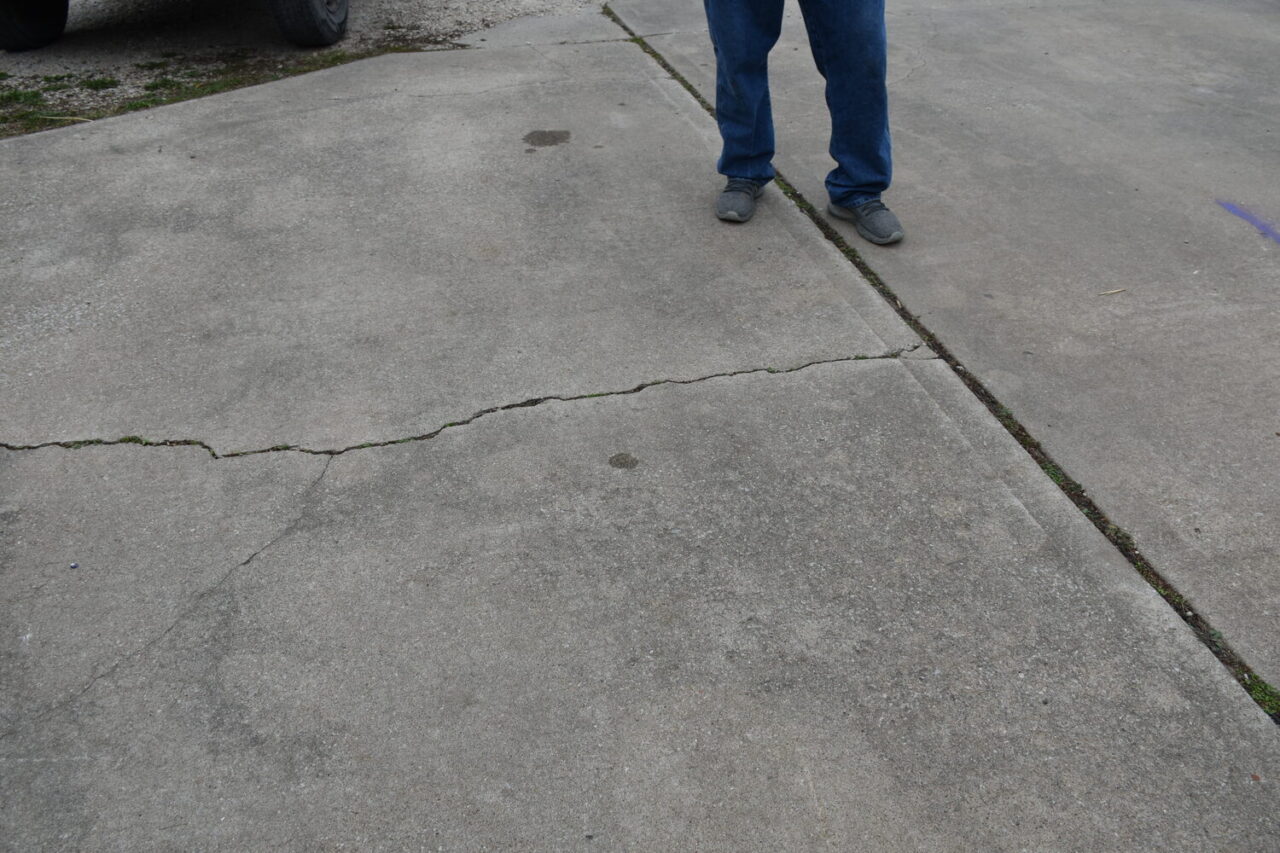
Not every blemish means major work. Small, tight cracks can be cleaned and filled to keep water out. If the surface has light scaling but the slab is solid, a resurfacing overlay can freshen the look. When you see several wide cracks, settling, heaving, or a patchwork of repairs that do not hold, it is time to talk about replacement.
Minnesota’s Trusted Concrete Driveway Contractors
At Kali Concrete, we build concrete driveways that look great and handle Minnesota’s weather without drama. Based in Belle Plaine, our team takes care of everything from tear‑out and base prep to forming, pouring, jointing, and curing. We will help you choose the right thickness and reinforcement, talk through integral color versus a classic broom finish, and plan drainage and access so install day is smooth.
If your current driveway is tired, we will give you an honest read on whether targeted repairs, resurfacing, or a full replacement offers the best value. If you are starting fresh, we will put together a clear scope and budget tailored to your site and your goals.
Ready to upgrade curb appeal and make daily life easier. Contact Kali Concrete for a free consultation.