
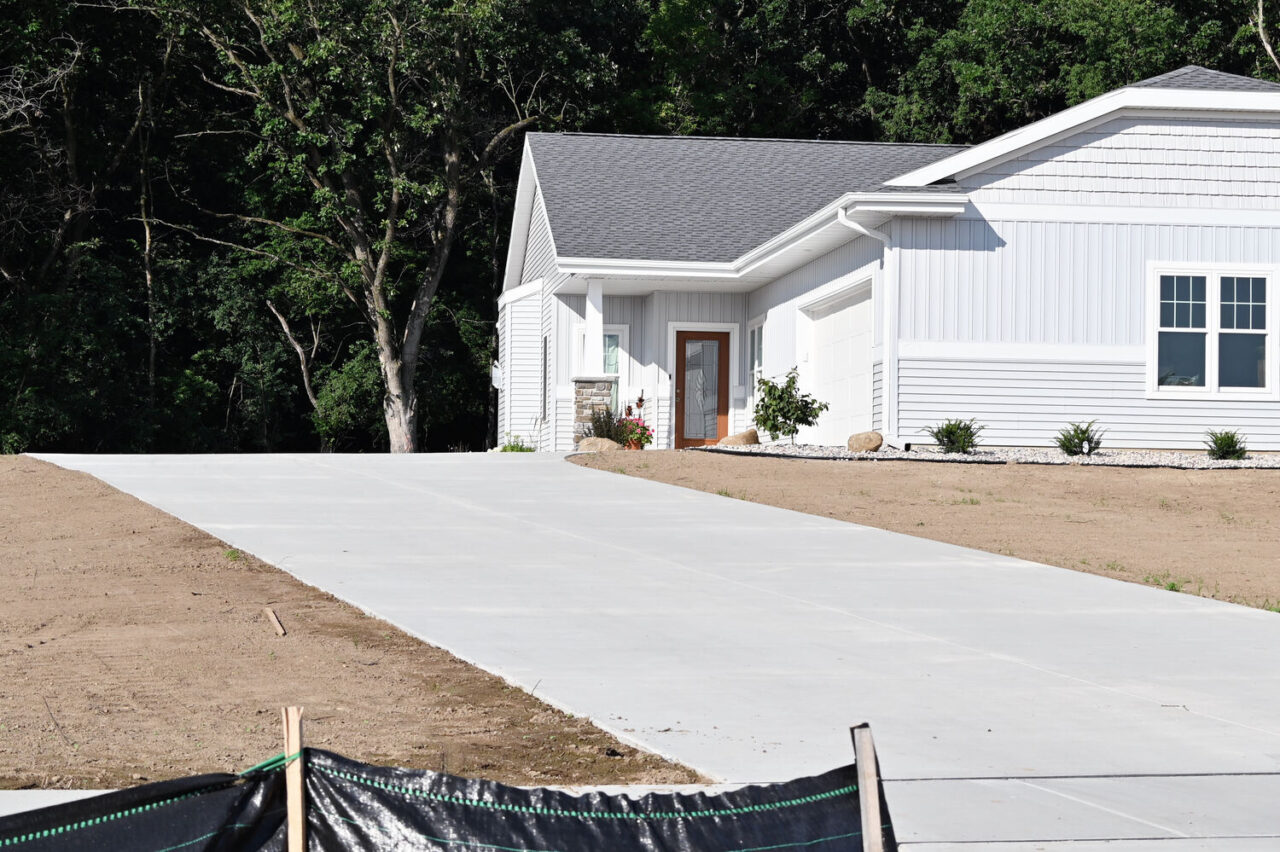
Deciding between asphalt and concrete driveways starts with a few practical questions: how long you plan to live in the home, how you want the driveway to look year after year, and how much routine care you are comfortable budgeting for. Asphalt typically has a lower upfront price of $4 to $8 per sq ft for a straightforward install. Concrete driveways usually run between $6 to $12 per sq ft for a standard 4 in slab, with thicker sections, reinforcement, and decorative finishes increasing cost. That price gap narrows over time because concrete commonly goes much longer before full replacement and requires fewer major interventions.
Lifespan is where the difference becomes clear. Asphalt commonly provides 15 to 20 years when sealed and repaired on a schedule. Professionally installed concrete driveways often reach 30 years or more when the base is stable, joints are planned correctly, and the proper sealing is applied every 2 years. Asphalt can also sink or sag months after installation if the subgrade was not prepared well or if a car sits in the same spot for long periods, especially in summer when the surface softens. Concrete is a rigid slab that depends on base quality, slab thickness, reinforcement, and joint layout to stay flat and resist cracking. Overall, concrete is the more durable option which is why it is so popular for driveways.
Maintenance is not the same for both. Asphalt owners should plan on periodic seal coating and crack filling. Concrete owners should plan on pressure washing at least once a year and applying a high quality sealer every 2 years. In winter, both surfaces need careful snow removal. A plastic edge plow or shovel is the right tool for both asphalt and concrete, and salt or chemical de‑icers are harsh on either surface. Asphalt’s darker color can help absorb sunlight and melt snow or ice a bit faster. Textured concrete requires extra care to avoid catching high points during shoveling or plowing.
Appearance and customization play a role. Asphalt provides a clean, uniform dark finish that refreshes nicely with new seal coat and blends patches better after sealing. Concrete offers more design control with options like integral color, saw cut borders, and stamped textures that elevate curb appeal and tie into the home’s architecture. Repairs on concrete are typically more visible, although thoughtful joint layout and color planning can reduce contrast.
If you need a lower initial cost and a quick timeline, asphalt can be a sensible choice. If you want a longer horizon, a lighter long‑term maintenance load, and more design flexibility, concrete is usually the better investment. That slight edge toward concrete is why many homeowners who plan to stay put choose it, provided the work is done by a qualified local contractor who manages base, thickness, joints, and finishing correctly.
Asphalt vs Concrete at a Glance
The table below places the key factors side by side so you can compare quickly.
| Asphalt | Concrete |
| Cost: Often about $4 to $8 per sq ft for basic installs. Added cost for thicker lifts, long runs, or complex aprons | Cost: Often about $6 to $12 per sq ft for a standard 4 in slab. Added cost for 5 to 6 inch sections, reinforcement, integral color, and decorative finishes |
| Lifespan: Commonly 15 to 20 years with sealing and repairs. Can sink or sag if base prep is poor or if a car parks in the same spot repeatedly, especially in summer | Lifespan: Commonly 30 years or more with correct base, thickness, joint layout, and sealing on a schedule |
| Maintenance: Periodic seal coat and crack filling. Surface can be refreshed with sealer | Maintenance: Pressure wash at least once a year and apply sealer every 2 years. Address small cracks early |
| Installation speed: Often faster to install and open to light use | Installation speed: Requires curing time before full use. Rewards patience with longer service life |
| Appearance: Uniform dark look that reseals well. Fewer design options beyond layout and edging | Appearance: Clean, bright look with design choices like integral color, saw cut borders, and light textures |
| Repairs: Patches and overlays can blend after sealing | Repairs: Patches are usually visible. Careful color and joint planning can reduce contrast |
| Winter care: Plows cleanly when flat. Darker color can help melt snow and ice. Use plastic edge tools and be cautious with salt | Winter care: Plows cleanly when flat. Textured finishes need extra care so tools do not catch. Use plastic edge tools and be cautious with salt |
| Best fit: Tight budgets, quick schedules, long rural runs, short to mid‑term ownership | Best fit: Long‑term ownership, low‑attention routine, premium curb appeal, and design flexibility |
How Each Surface Is Built and Why That Matters
Understanding what goes into each surface explains why costs, lifespans, and care routines differ. Both asphalt and concrete depend on a compacted granular base that supports the surface and spreads loads. From that shared foundation, they diverge in material and behavior.
Asphalt is a hot mix of aggregate and petroleum binder that is placed, compacted, and allowed to cool. The binder’s flexibility lets asphalt tolerate minor movement from vehicles and seasonal temperature shifts. That same flexibility means summer heat can soften the surface. If the subgrade was not compacted properly, or if vehicles park in the same spot for long periods, impression marks and sagging are more likely to appear months after installation.
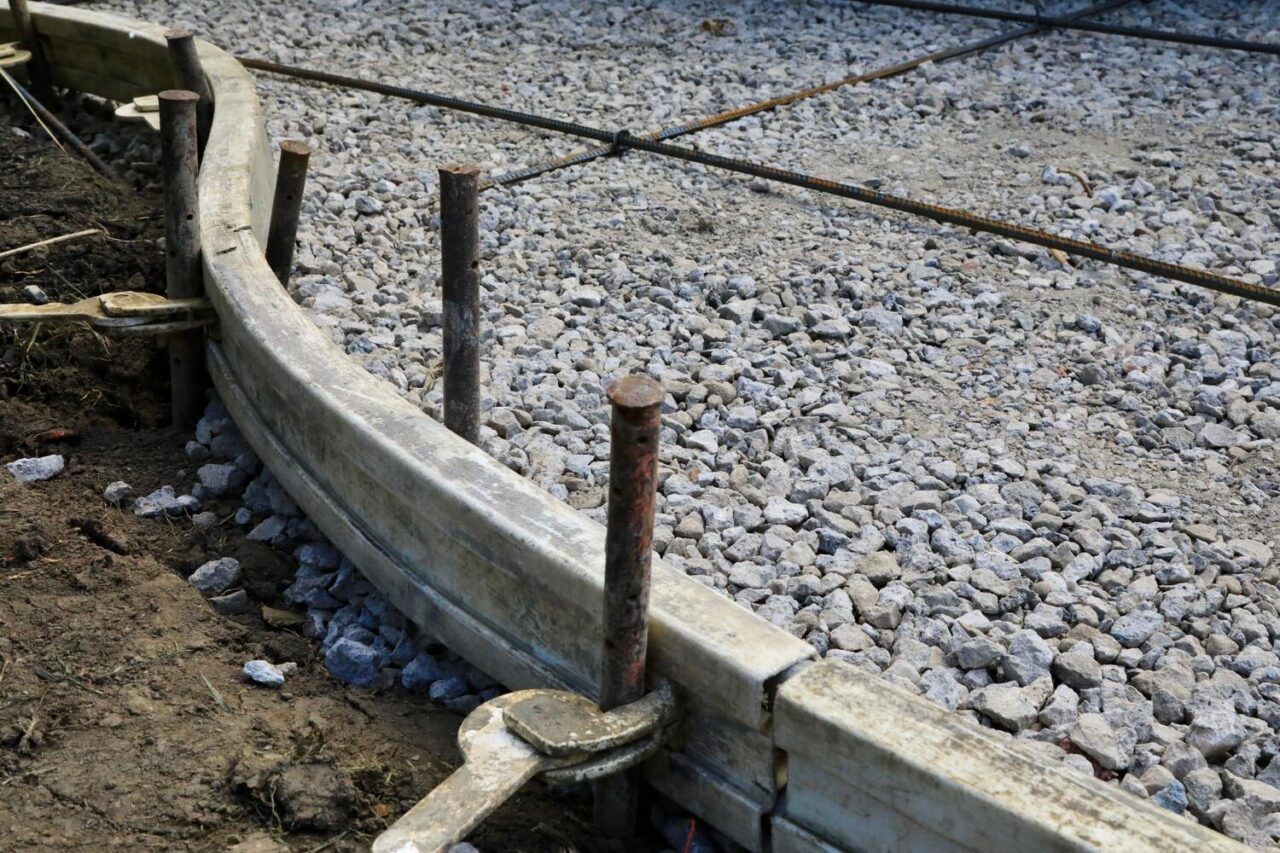
Concrete is a mixture of cement, aggregate, and water that hardens through curing into a rigid slab. It performs best when the base is stable, slab thickness matches expected loads, reinforcement is placed where needed, control joints are laid out and cut correctly, and curing is consistent. When those fundamentals are addressed by an experienced crew, concrete’s long service life becomes predictable rather than lucky.
No matter which material you prefer, the contractor’s plan should clearly explain base preparation, thickness, layout of joints or lifts, and edge protection. These details determine performance far more than brand names or one‑line price quotes.
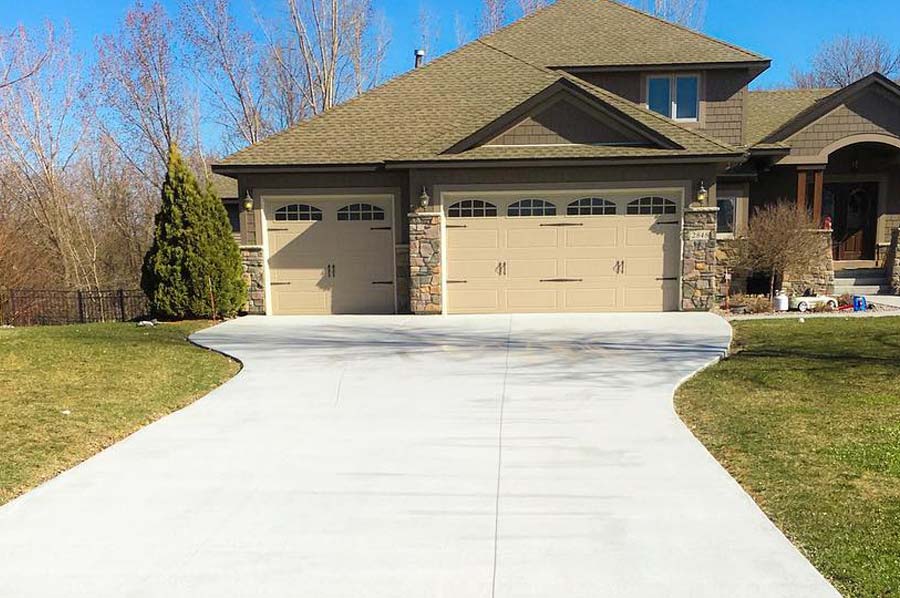
Cost in Detail: What Moves the Price
A standard asphalt driveway typically consists of a compacted base topped by at least one layer or “lift” of asphalt. Higher loads, long runs, or lots of turning can call for thicker lifts or an added binder course, which increases material volume and rolling time. Soft soils that need undercutting, imported base rock, or difficult areas to access will increase the total cost. Over the life of an asphalt driveway you can expect regular sealcoating, crack filling, and possibly a resurfacing overlay in the later years if the base remains solid.
For concrete driveways, the standard baseline is a 4 in slab over a compacted base with planned control joints and a broom finish. Increasing thickness to 5 or 6 in for heavier vehicles increases concrete volume and finishing time. Reinforcement such as rebar or welded wire mesh adds strength, but also increases the cost. Design touches like integral color, saw cut borders, and light textures add modest premiums, while stamping and multi‑color accent work sit higher because they require more labor and materials. Removal and disposal of an old driveway, concrete pump access on tight sites, and city apron details also influence the total cost of a concrete driveway.
When comparing bids, match the scope first. A low number that skimps on base, thickness, reinforcement, or joint layout can cost more in the long run. A thorough scope that handles fundamentals correctly often wins on total value, especially if you plan to own the home for many years.
Lifespan and Durability
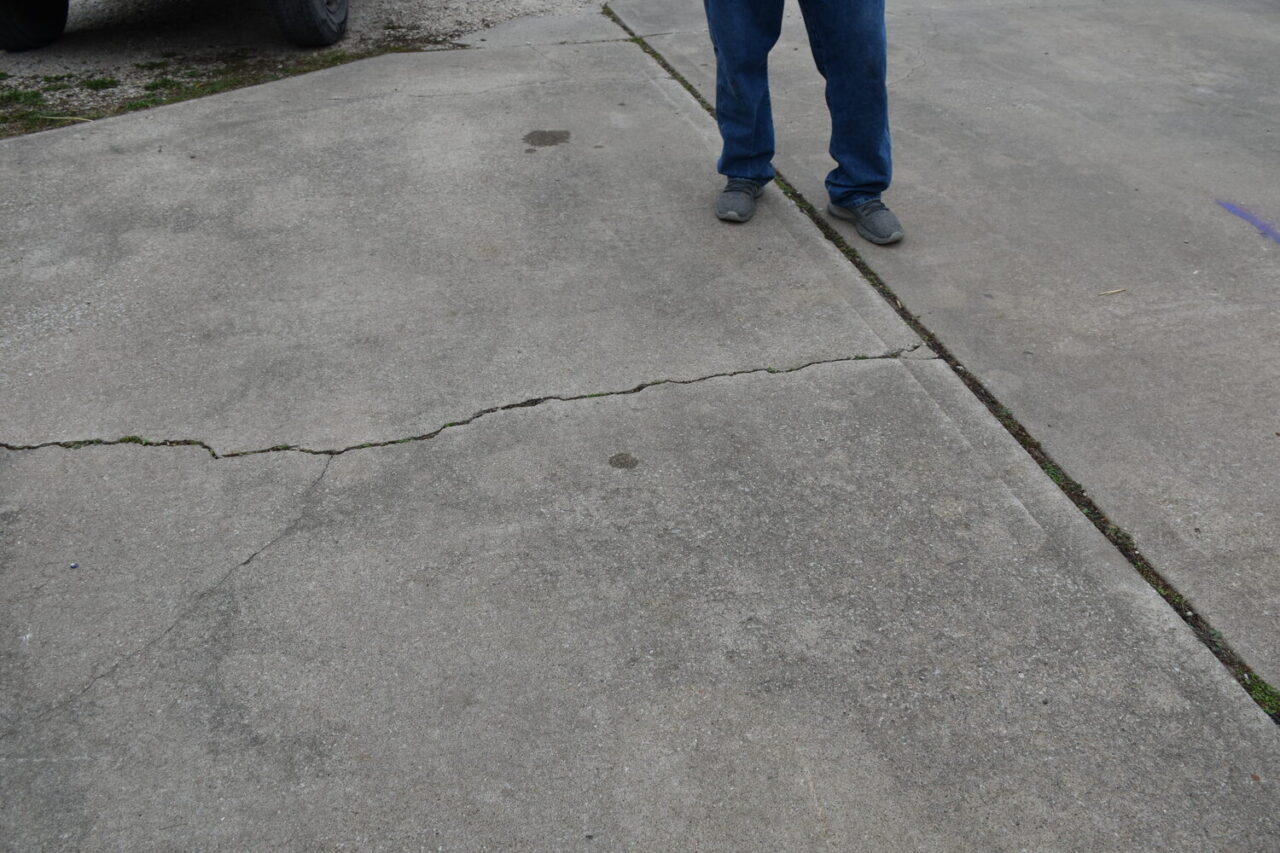
Driveways take a beating with regularly parked vehicles, turning near the garage, temperature swings, and winter cleanup. Asphalt driveways often last 15 to 20 years when sealed and repaired on a schedule. Asphalt also has a binder that helps it accommodate small movements, which has benefits, but it also means summer softening can happen. When softening occurs and a car sits in the same spot consistently, slight depressions can form. If the subgrade was poorly prepared, sagging and settling are more likely.
Concrete behaves differently. It resists softening and holds a flat surface when the slab is sized and supported correctly. The main variables that control performance are subgrade and base quality, slab thickness, reinforcement, control joint spacing and depth, and curing. When those choices are made well and sealing continues every couple of years, a concrete driveway often runs 30 years or more with few surprises.
Thoughtful layout helps both surfaces. Concentrated stress areas like tight turns and trailer pads deserve attention. For asphalt, thicker lifts make sense in those zones. For concrete, thicker sections and reinforcement where vehicles park or turn add resilience.
Maintenance: What You Will Actually Do Each Year
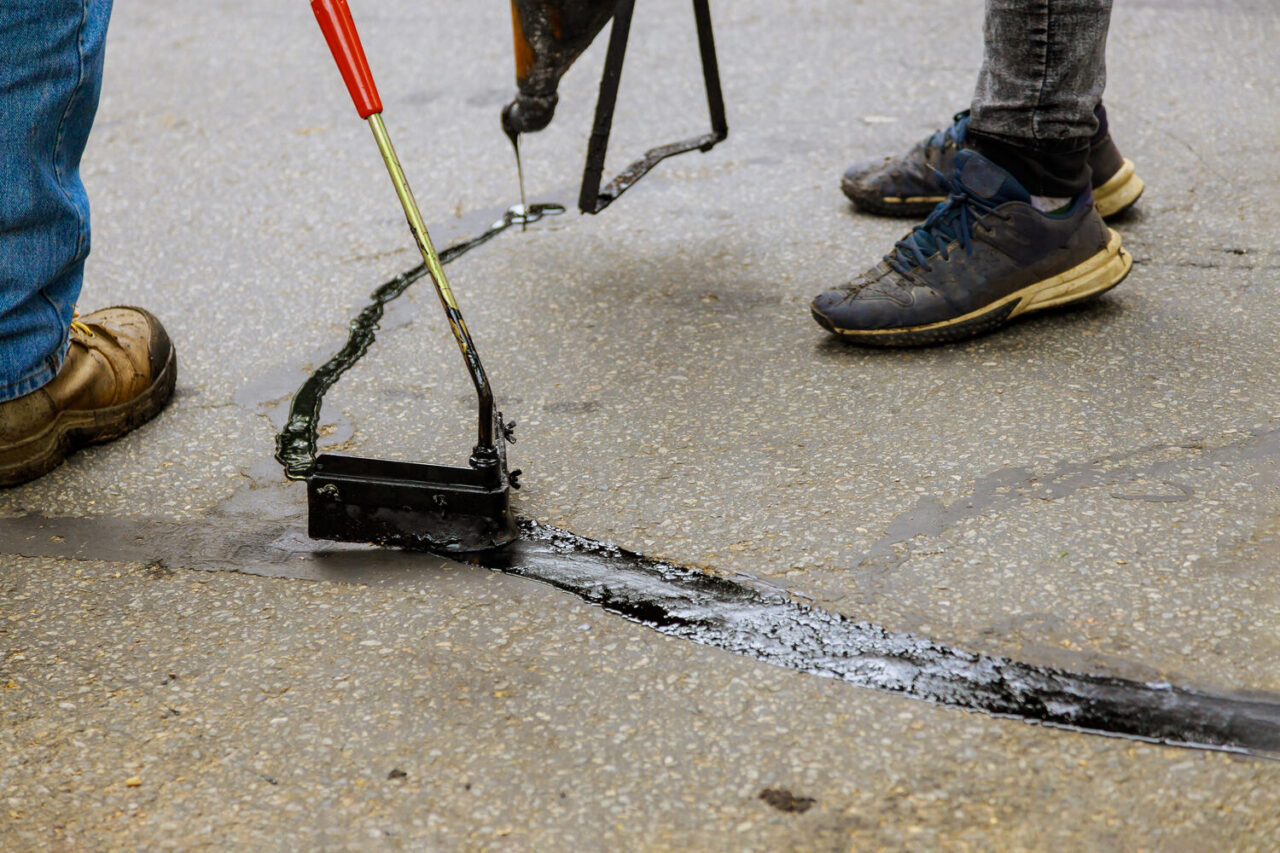
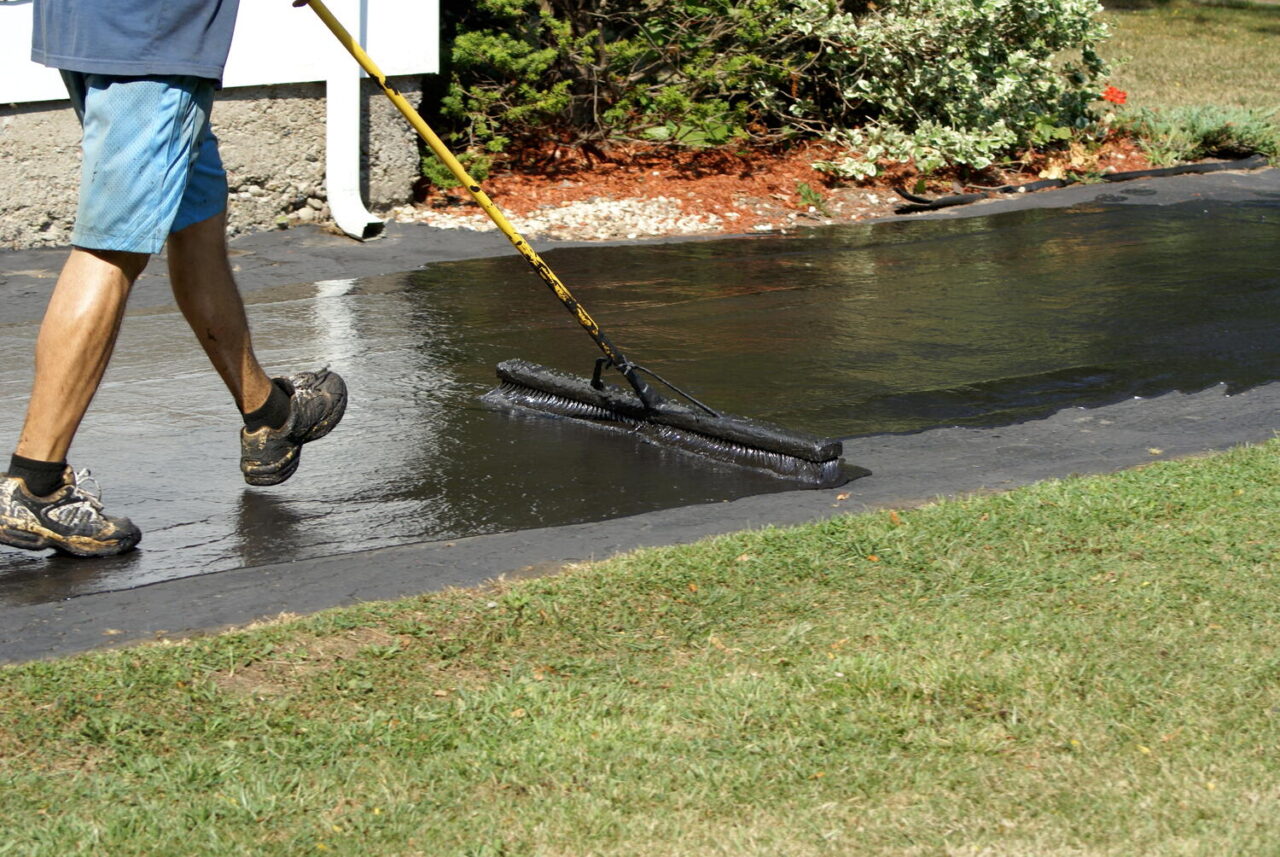
Homeowners with an asphalt driveway should expect periodic seal coating. The first coat typically comes within a couple of years after installation, followed by a cadence recommended for your climate. Filling cracks is part of the routine. Tackling small cracks early helps prevent more extensive repairs. In later years, if wear becomes noticeable and the base is still stable, a resurfacing overlay may be an option.
Concrete maintenance consists of two main tasks. First, you need to pressure wash at least once a year to remove any light stains and debris. Then, apply a high‑quality, breathable sealer every 2 years. That sealer protects the surface from moisture and chemical de‑icers and helps the finish stay clean. Small crack repairs should be handled quickly so they do not worsen or start collecting debris.
Winter deserves its own note. Both asphalt and concrete can be affected by plows and shovels. Use a plastic edge plow or a shovel with a plastic edge. Metal edges can scratch or chip either surface. Salt and chemical de‑icers are harsh on both. Use them sparingly and follow product guidance. Asphalt’s dark color can help melt snow and ice in sunlight. Textured concrete requires extra care so tools do not catch on raised details.
These maintenance considerations are fairly simple and rarely take longer than an hour. Taking the time to handle these occasional maintenance tasks will help extend the life and improve the appearance of your driveway for many years.
Aesthetics and Design Options
Your driveway frames your home. Asphalt offers a clean, uniform dark surface that pairs well with many landscapes and architectural styles. It looks crisp at installation and refreshes nicely with a new seal coat. Patches tend to blend better after sealing, which is a practical strength of asphalt.
Concrete gives you a larger design palette. A classic broom finish looks clean and refined. Integral color places pigment throughout the slab for subtle tone that feels part of the concrete, not painted on. Saw cut borders and contrasting bands can add simple architectural detail. Light textures provide grip and character. Stamping can mimic stone or paver patterns when you want a more decorative presentation. If you want the driveway to feel designed rather than just installed, concrete makes that easy.
Repairs interact with appearance differently. Asphalt patches blend better once sealed. Concrete patches are usually visible, though experienced crews can reduce contrast with careful joint placement and planned color differences, such as a border that makes variation look intentional.
Questions to Ask Yourself Before You Decide
Before you collect bids, it helps to consider a few of the questions below to make the choice clearer and keep you focused on what matters most.
- How long do you expect to own the home: longer timelines usually favor concrete because of lifespan and fewer big maintenance events
- How much maintenance fits you: if scheduling seal coats works for you, asphalt stays attractive; if pressure washing once a year and sealing every 2 years sounds better, concrete may fit your routine
- What loads will the driveway see: heavier vehicles, trailers, or frequent tight turns point toward thicker lifts for asphalt or thicker sections and reinforcement for concrete
- What look fits the home: if a uniform dark surface is the goal, asphalt checks the box; if custom color, borders, and light texture appeal to you, concrete offers those options
- What site constraints exist: removal needs, tight access, and city apron details can influence both cost and schedule
These questions do not replace a site visit, but they help you recognize the scope that truly fits your priorities. Once you have your answers, it becomes much easier to compare bids fairly.
After you have clarity, the right material tends to stand out and the decision feels straightforward rather than complicated.
How to Choose the Right Contractor
The crew you hire sets the outcome. A strong contractor addresses site conditions, designs the section for expected loads, manages drainage details at installation, and finishes with care. Clarity and accountability matter as much as craft.
Look for a team that is local, experienced, and uses no subcontractors. Too often, large brands win work on name recognition, price the project at a premium, then outsource to the lowest bidder. That pathway adds cost and can dilute quality. Ask who will be on site, who supervises the crew, and whether the company uses its own people from start to finish.
Ask specific questions so you can compare apples to apples. How will the subgrade be compacted. What base thickness will be used. For asphalt, what lift thickness is planned and how will rolling be managed. For concrete, what slab thickness and reinforcement are proposed and how will control joints be laid out to align with garage doors and walk transitions. How will transitions to sidewalks and the street apron be handled. Request local references and photos of similar projects. The right contractor will explain the plan clearly and invite your questions.
Choosing a truly local, in‑house team gives you predictable quality and accountability from bid through cleanup.
5 Pro Tips to Get More Life Out of Your Driveway
A handful of simple considerations can add years to your driveway and reduce headaches, regardless of the material you decide on.
- Design for your heaviest use: If a truck, trailer, or delivery vehicle will ever use the drive, size the section accordingly; asphalt may need thicker lifts in high stress spots, concrete may need 5 to 6 in sections and reinforcement where vehicles park or turn.
- Protect edges: Keep soil and mulch slightly lower than the driveway surface so edges are not buried and remain well supported.
- Put sealing on the calendar: Asphalt needs periodic seal coats based on exposure and traffic; concrete should be sealed every 2 years with a breathable exterior sealer.
- Use the right winter tools: Choose a plastic edge plow or shovel to prevent scratches and catches; be conservative with salt and chemical de‑icers.
- Respect the curing period: For new concrete, avoid parking heavy vehicles or making tight turns until the slab reaches recommended strength; for new asphalt, follow your contractor’s guidance on initial cure and when typical traffic can resume.
Your Trusted Concrete Driveway Experts
If you are in Minnesota and want a driveway that looks great and lasts, choose Kali Concrete in Belle Plaine. We bring 40+ years of experience and a team of in-house concrete professionals with no outsourced crew members. In addition to a skilled team, our owner is on every job site to make sure all details are handled correctly, from base preparation and joint layout to finishing and curing.
Whether you are ready for a new concrete driveway, a textured patio, or a pool deck, we deliver quality from the first cut to the final seal. Have an aging drive that needs a full replacement or a thoughtful redesign. Want integral color or clean saw cut borders that elevate curb appeal. Contact Kali Concrete today for a free consultation and let’s build concrete that stands the test of time.